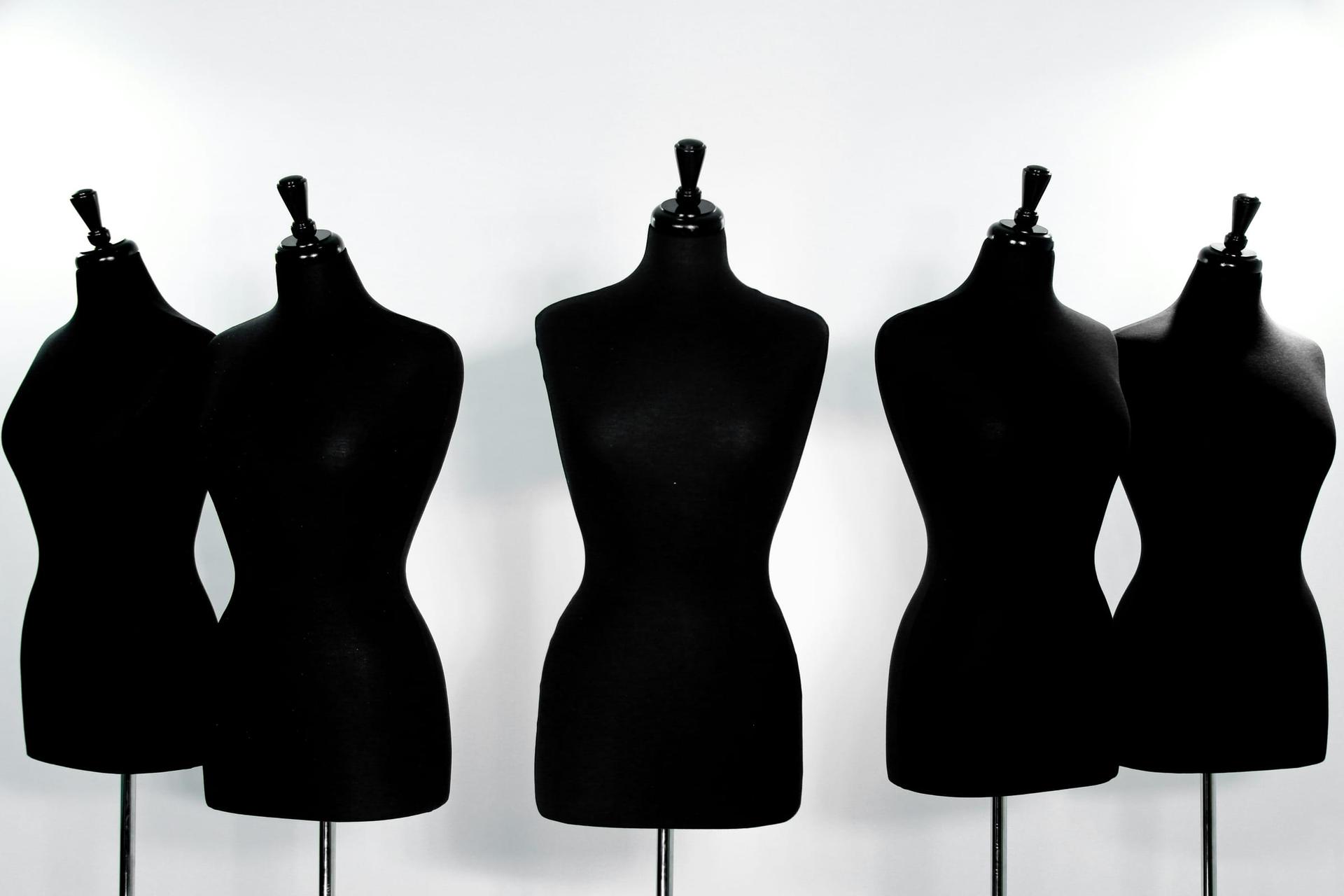
Speed is practiced: feature flags, incremental rollouts, and time boxed spikes with explicit learn-or-stop dates.
Rush skips the fitting — no evals, no rollback, no owner after launch. It shows up as incident debt and quiet resentment from the business.
Leaders set the tone when they celebrate disciplined launches, not heroics at 2 a.m.
In fashion tech, the calendar will always push. The culture choice is whether you prepare the seams or tear them.
The difference usually shows up the night before launch.
Speed has rehearsed. The team knows which feature can be turned off, which market goes first, who approves the content, and what metric proves the release is healthy. Rush is louder. It has more calls, more private messages, more heroic language, and more people saying “just for this launch.”
Fashion encourages rush because the calendar feels sacred. Campaigns have dates. Stores have windows. Social posts are scheduled. A collection cannot be delayed because a backend team wants a more elegant deployment. But the system still keeps score.
One rushed AI content workflow created hundreds of product descriptions quickly, then forced editors to spend days fixing tone and claims. A rushed dashboard answered the board question once, then became an unofficial source for months. A rushed integration survived launch week but broke during markdown because nobody owned the exception logic.
Speed is not slowness with better branding. It is preparation. Feature flags, clear rollback, small releases, named owners, and honest stop dates. It is the confidence to say: this part is ready, this part is not, and this part will not ship because it will hurt us later.
The culture choice is visible in what leaders praise. If they only celebrate rescue, teams will create conditions that require rescue. If they celebrate prepared launches, speed becomes a craft.
In fashion tech, urgency is permanent. Panic does not have to be.