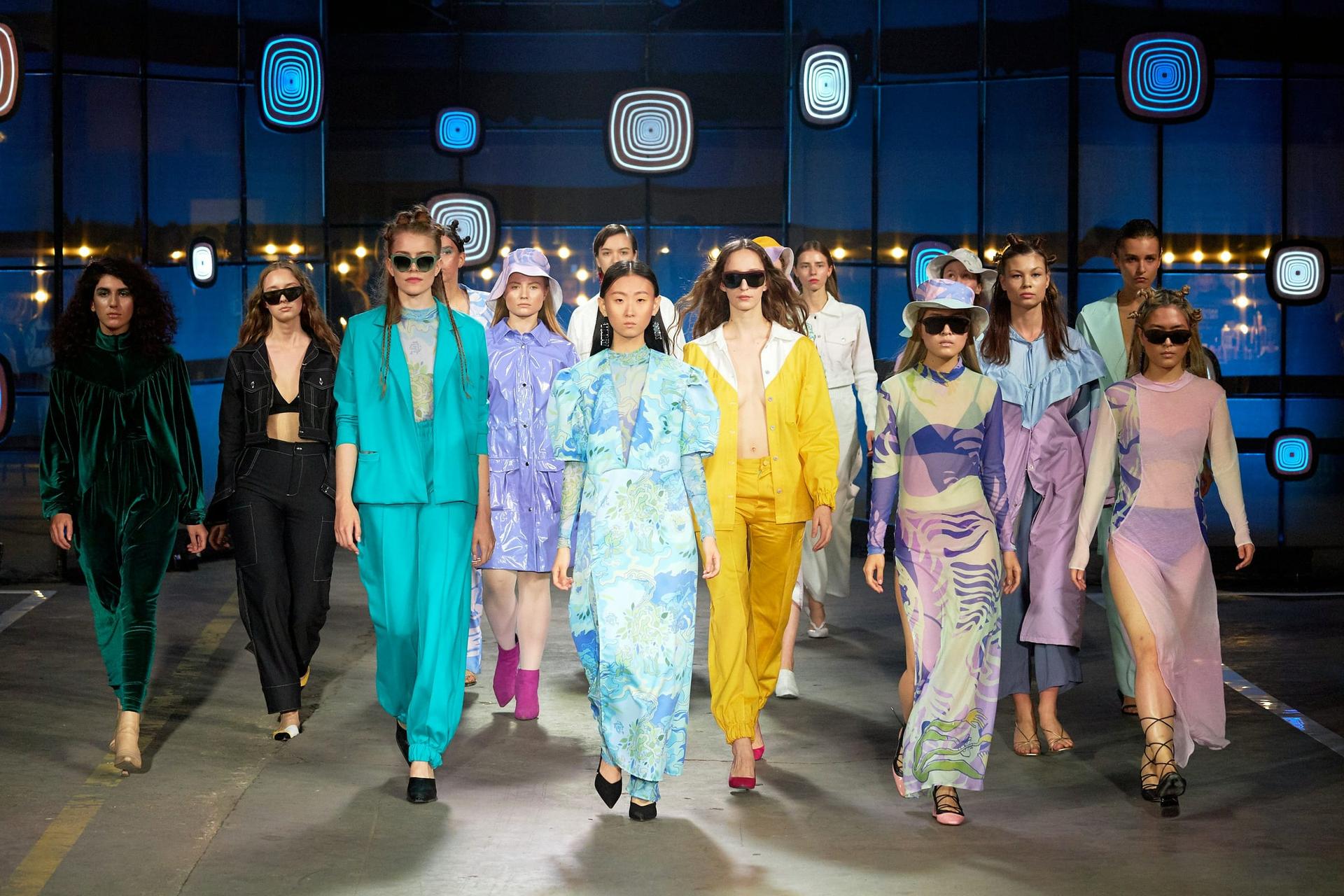
Zara’s experimentation with AI-generated imagery reads like a production story, not an art story. Stores, apps, and regional campaigns need volume without losing the Inditex pace.
Engineering teams are building pipelines where human art directors set the frame — lighting rules, crop standards, banned poses — and models fill the volume inside those lines.
The risk is sameness. The opportunity is freeing photographers for hero work while automating the long tail of product views and variants.
Watch this space for rights, provenance, and brand safety tooling. Scale without traceability will not survive legal review.
The interesting part of AI imagery in a Zara-like environment is not the fantasy of replacing photographers. It is the volume problem. Fast fashion creates more products, more markets, more product pages, more crops, more campaign variants, and more small visual needs than a traditional studio rhythm was built to handle.
A product team may not need a cinematic campaign for every item. It may need five clean images, three crops, one regional banner, one app tile, one social cut, and a version that works on a dark background. Multiply that by drops, languages, markets, and sizes, and the creative problem becomes operational.
That is where AI imagery becomes tempting. Not because it understands fashion better than humans, but because it can produce variations faster than a studio can reshoot. The risk is that the image starts to look efficient before it looks alive. The model stands correctly. The fabric is almost right. The background is tasteful enough. Everything passes quickly, and nothing stays in memory.
The more concrete work happens inside the rules: which poses are banned, which body edits are unacceptable, which garments require real photography, which images must carry proof of origin, and which generated assets are allowed only for internal planning. An art director becomes less like a single-image creator and more like a guardian of a visual system.
A small team meeting tells the story better than a trend report. Someone says the generated sleeve looks wrong. Someone else says it is fine for a thumbnail. A third person asks whether “fine for a thumbnail” is how the brand wants to make decisions. The debate is not anti-AI. It is about where the line sits.
AI imagery will help fashion scale content, but only if teams protect the images that should not be scaled. The danger is not that machines make pictures. The danger is that the business forgets which pictures still need a human eye.