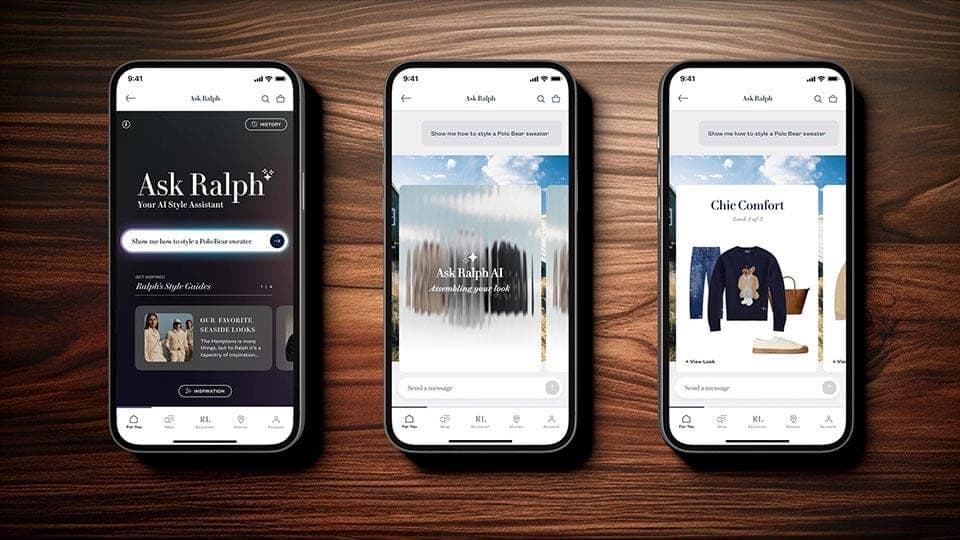
Turn off AI for one day and fashion does not stop. It slows down.
The product copy waits. The tags become manual. Search loses its second brain. Campaign assets take longer to prepare. Reports need more human checking. Customer questions move back into queues. Small tasks, once invisible, return to the surface.
This piece follows a fashion team through one ordinary day without assistants, models, recommendations, generated content, and quiet automations.
Not a future panic story. A look at the work already handed to the machine.
At 9:00, the first delay appears. Product copy that normally arrives as a draft is blank. The assistant is off, so the editor starts from the raw product notes: fabric, fit, color, care, nothing that sounds like a customer yet. Those notes usually live upstream in the quieter product systems behind the page.
At 10:30, search feels older. A merchandiser realizes new products need tags by hand. “Party dress” is easy. “Holiday dinner but not too formal” is not. The language that machines usually suggest now has to be argued through person by person.
By lunch, the reporting team is slower. The AI summary that usually explains the dashboard is gone, so a planner asks the analyst to confirm what changed. The analyst knows the answer, but now every small explanation becomes a manual interruption—especially when the same product means different objects in different systems.
In the afternoon, customer service feels the absence most clearly. Similar questions no longer group themselves. Draft replies do not appear. Agents handle each message from scratch. Some customers receive warmer answers. Others wait longer.
The day does not collapse. That is important. Fashion worked before these tools and can still work without them. But the team becomes aware of how much invisible preparation had moved to machines: first drafts, tags, summaries, suggestions, triage, comparisons, reminders.
By 18:00, nobody says AI is magic. They say the day felt heavier.
The lesson is not that every automation is good. Some are annoying, shallow, or wrong. The lesson is that machines have already entered the texture of ordinary work. Turning them off reveals which parts of the business were supported, which were dependent, and which still need a better human design—the same skepticism that sent smart mirrors out of stores when theater outran the business case.