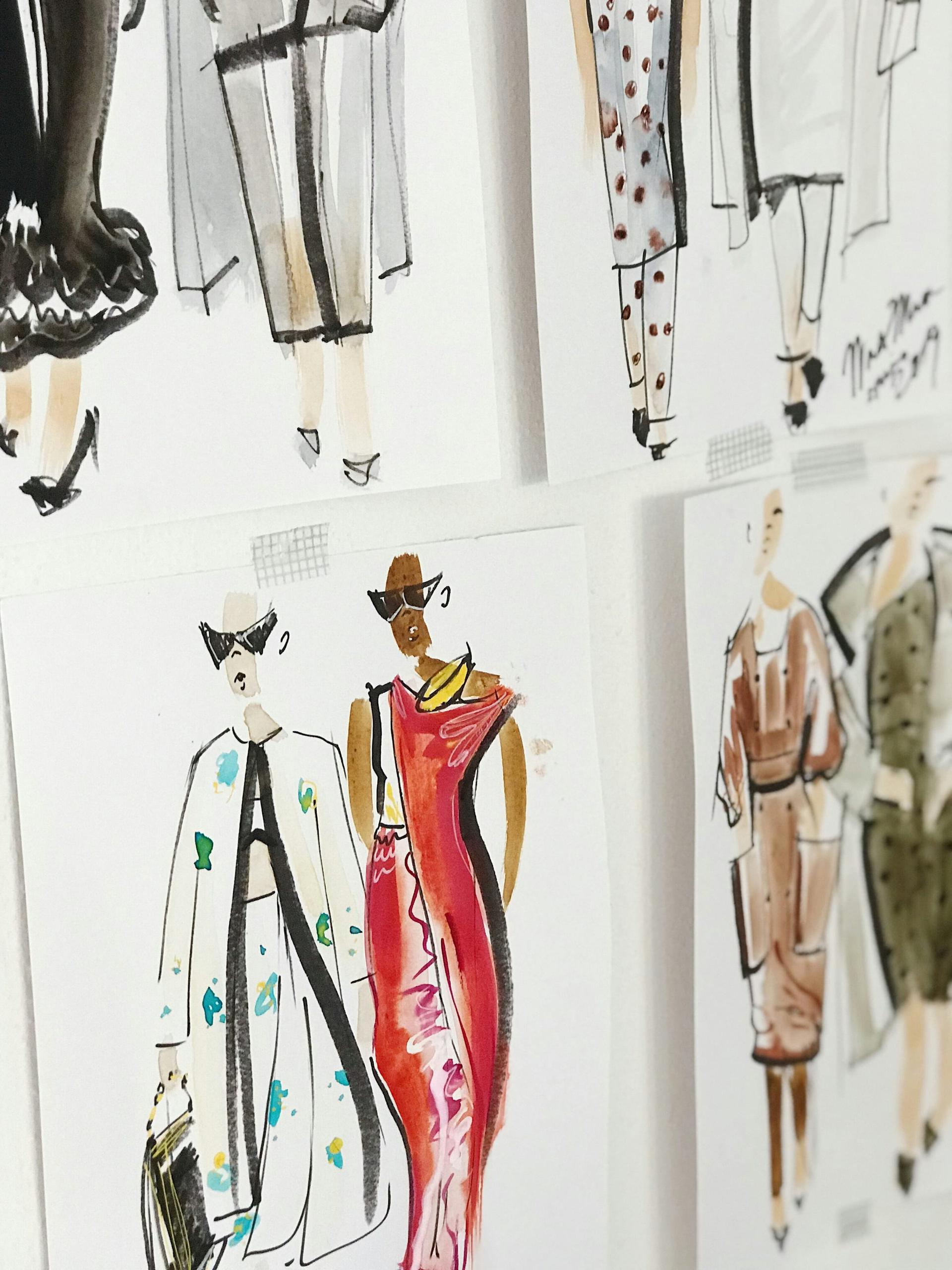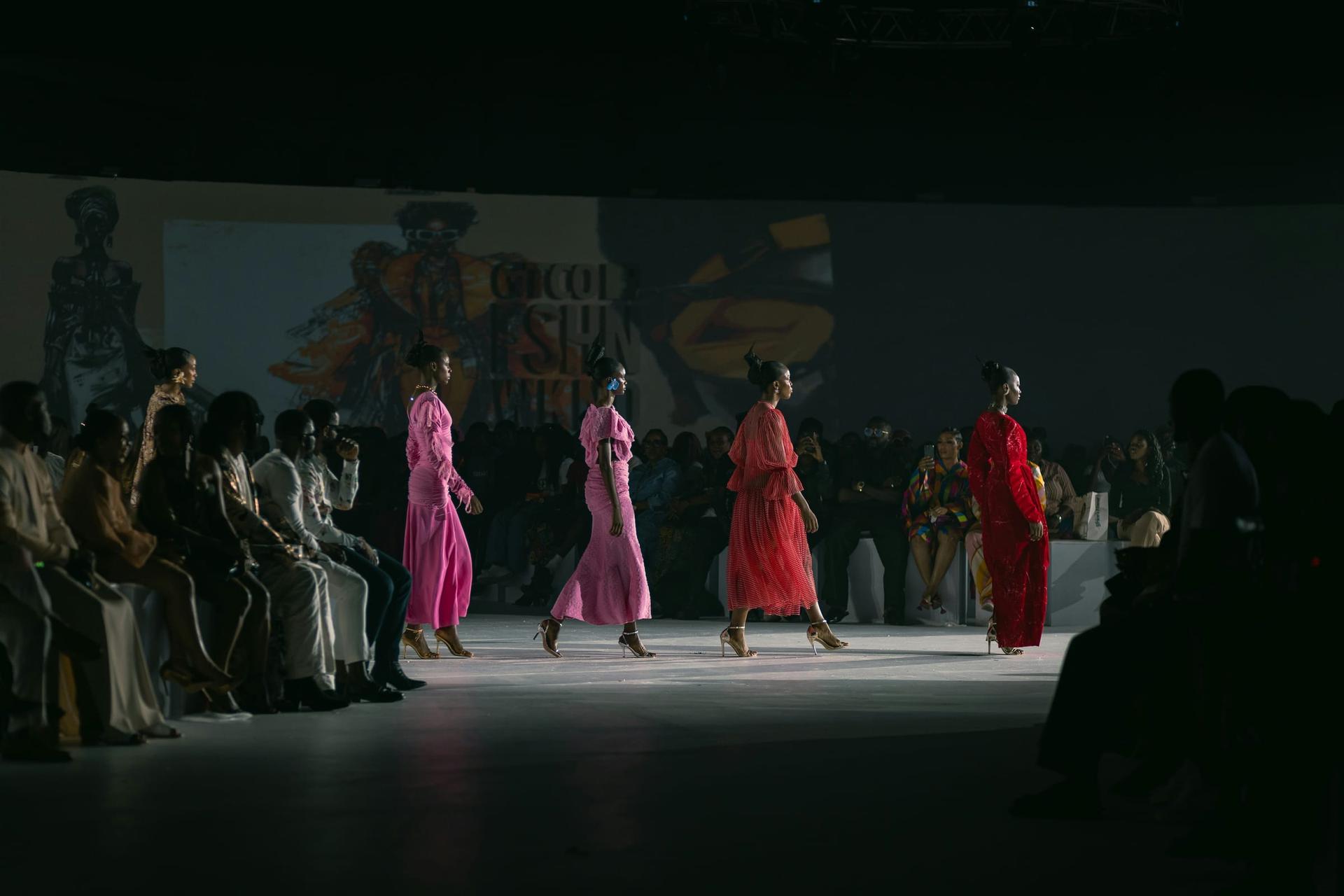
The atelier metaphor is not fluff for slide decks. It captures how data engineers pin definitions, baste prototypes, and only then cut production pipelines.
Merchandisers and data teams pair on muslin datasets — small, imperfect samples used to test shape before the full cloth of history is cut.
When data feels crafted, business users trust it. When it feels dumped, they revert to spreadsheets.
The new atelier is collaborative. Taste still leads; data makes it repeatable.
The atelier metaphor works because good data work is full of fittings.
A first dataset is rarely ready. It hangs badly. The grain is wrong. The returns logic pulls in the wrong direction. The regional labels do not match the way the business speaks. The team pins, adjusts, cuts, and tries again.
In one merchandising project, the data team built a small sample before touching the full history. They called it a muslin dataset: imperfect, cheap enough to change, and useful for seeing the shape. Merchandisers reviewed it the way a designer reviews a toile. Does this category make sense? Why is this store grouped here? Why does this product look like it sold twice?
That review saved weeks. The business saw the logic early enough to correct it. The engineers learned which details mattered before they built the heavy pipeline. The data product became stronger because it passed through hands, not only code.
Craft also means knowing what to leave out. A platform can include every field and still be unusable. A good data product has cut lines. It decides which dimensions matter, which definitions are approved, and which exceptions need a separate conversation.
When data feels dumped, people return to spreadsheets. When data feels fitted to the work, people trust it.
The new atelier is not a romantic metaphor for technical labor. It is a reminder that repeatable systems still need taste, patience, and people willing to check the shape before the final cut.