Every fashion CTO has a slide full of AI pilots. Fewer have an inventory: what each model does, which data it touches, who owns outcomes, and how it will be retired.
An AI inventory is not bureaucracy. It is how teams prevent duplicate chatbots, conflicting embeddings, and shadow APIs that break when the vendor changes pricing.
Leaders we interviewed run quarterly reviews like collection planning — keep, alter, or cut. Nothing stays in production without a business sponsor and an exit plan.
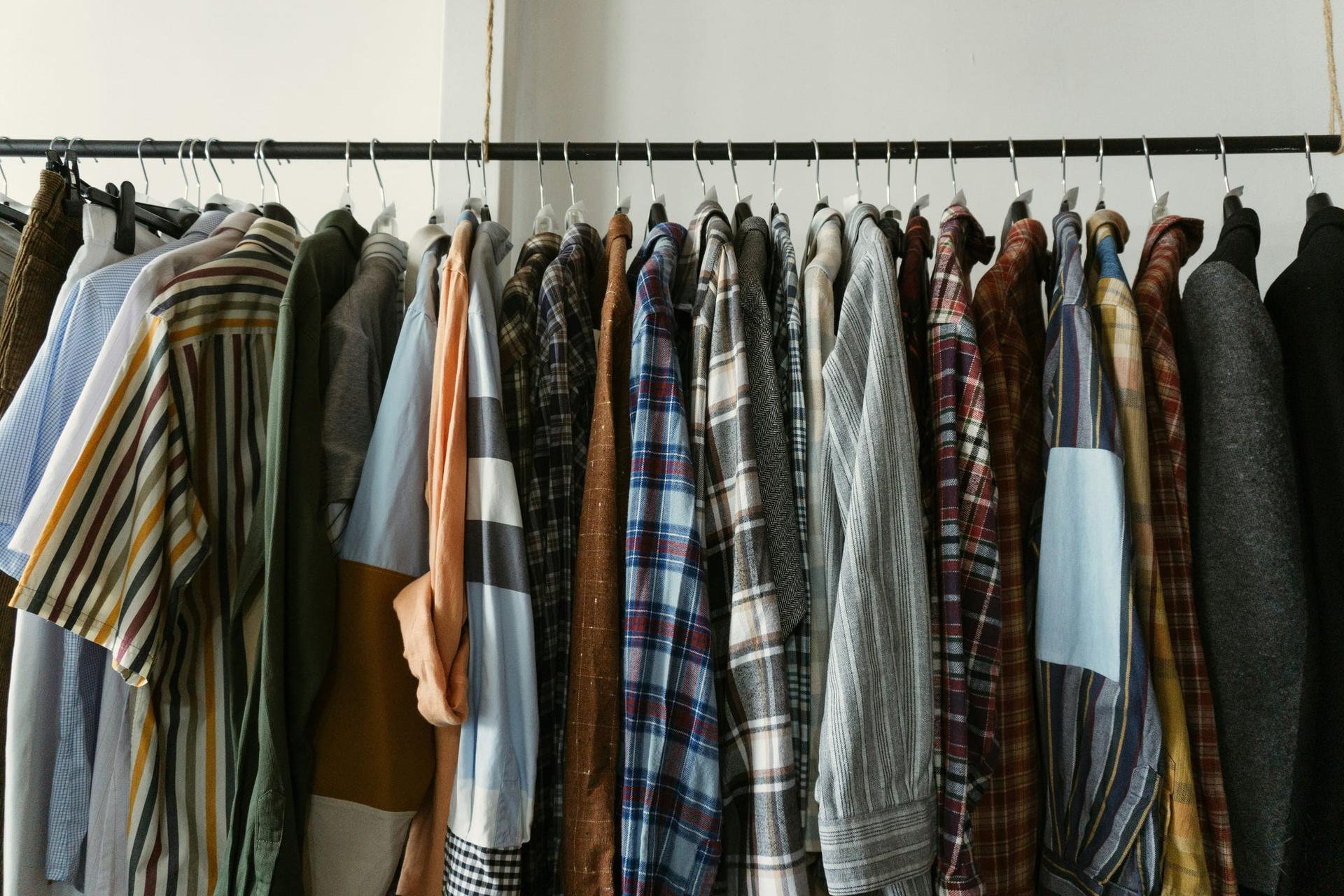
Before scaling assistants, try-on, or generative content, build the wardrobe of what you already have. Fashion teaches edit ruthlessly; so should engineering.
The most common AI problem inside a fashion company is not a lack of ideas. It is too many half-visible ideas. A copy tool in marketing. A styling assistant in e-commerce. A forecasting experiment in planning. A chatbot in customer service. A translation workflow in content. A spreadsheet macro someone quietly connected to a model.
Each one may be useful. Together, they become a closet no one has edited.
The inventory starts with boring questions that quickly become political. Who owns this tool? What data does it see? Is it customer-facing? Was legal involved? Is anyone measuring quality? What happens if the vendor price changes? Can the team turn it off? Is the same capability being built somewhere else under a different name?
A practical example: two teams build similar product-description helpers. One uses approved brand examples and logs human edits. The other was created quickly for a seasonal push and now sits inside a workflow people depend on. On paper both are “AI content tools.” In reality, one is a managed product and the other is a risk disguised as productivity.
The best inventory meetings feel less like compliance and more like collection editing. Keep this. Rework that. Retire the piece that no longer fits. Promote the experiment that has a real owner. Cut the tool that only survives because nobody wants to disappoint the person who launched it.
Fashion understands editing better than most industries. Not every sample becomes a look. Not every look becomes a campaign. AI needs the same discipline.
Before scaling AI, brands need to know what they already wear. Otherwise the organization walks into the season layered in tools that do not match, do not fit, and cannot be maintained.