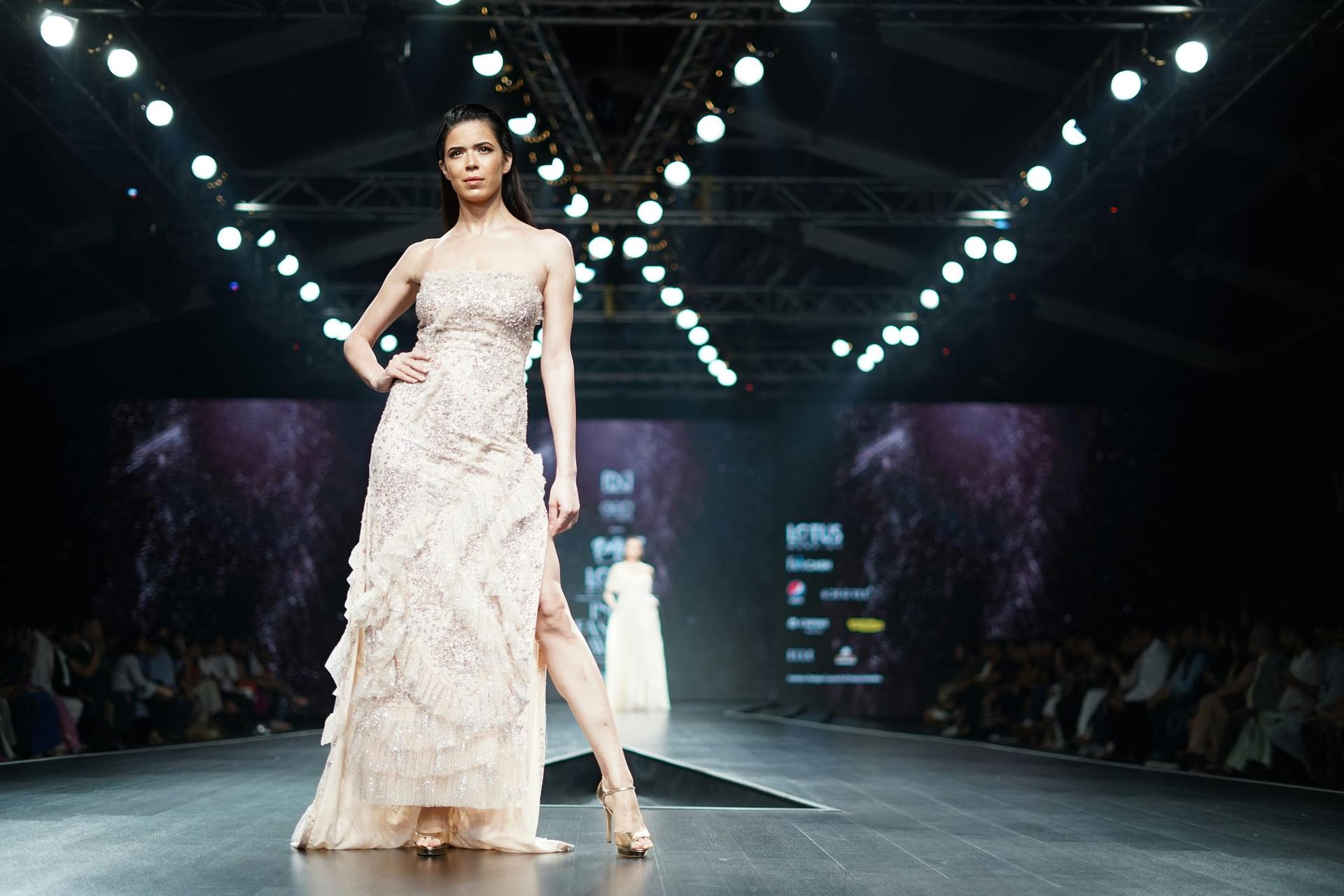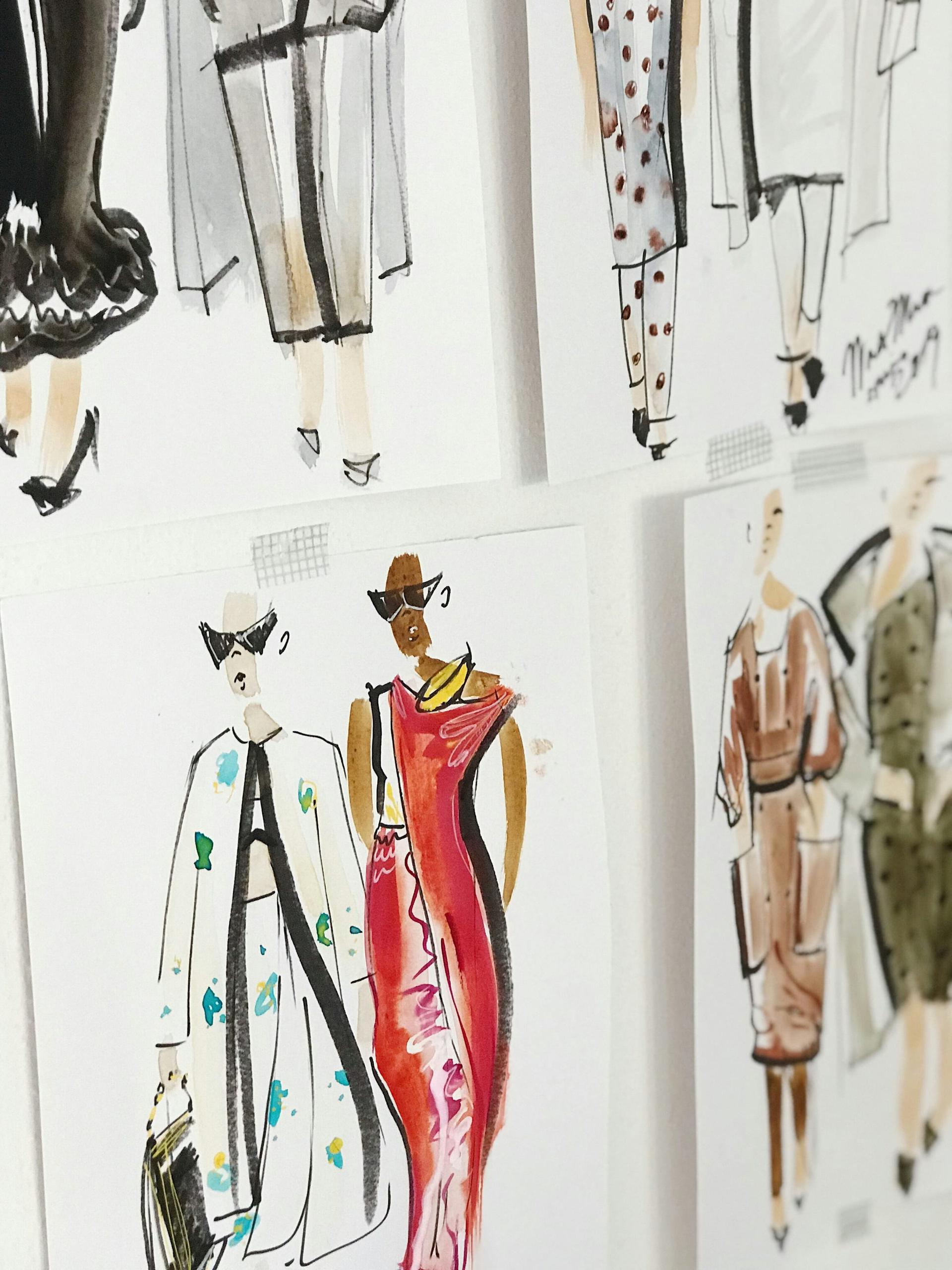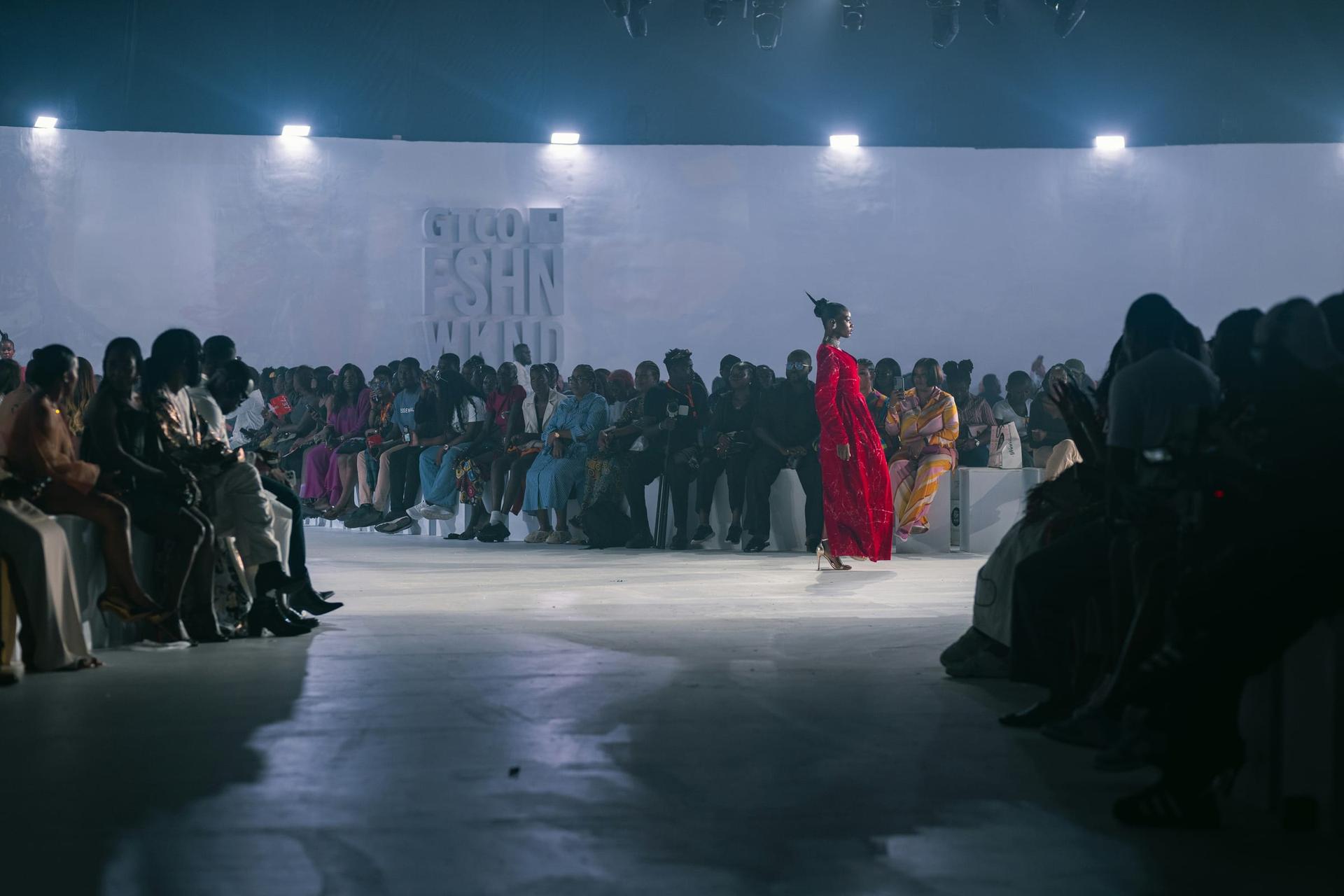
Runway moments are compressed storytelling. Runtime is the long novel — integrations, caches, and regional rollouts that must hold under flash traffic.
Engineering leaders map each look to a service graph: which images must exist, which prices are allowed to show, which markets go live when.
Rehearsals include load tests and rollback drills, not only dress fittings.
From runway to runtime is the real fashion week. Everything else is preview.
The runway moment lasts minutes. The runtime starts before the first look appears and continues long after the applause.
A see-now-buy-now experience makes the dependency visible. The image team needs assets ready. The product team needs IDs. Commerce needs prices, sizes, stock, and market rules. Legal may need claim approval. Customer service needs language for delays. Social traffic arrives before anyone has time to explain a broken page.
One engineering lead described the show plan like a service graph. Each look had a digital twin: images, product relationships, copy, availability, launch market, fallback state, and owner. The rehearsal included more than models walking. It included load testing, cache checks, rollback plans, and a decision tree for products that should remain editorial only.
The strongest moment was not the launch. It was the dry run where the team found that a hero look had images ready but no confirmed stock in two markets. In an older process, that problem would have appeared after the social post. In the new process, it became a decision before the show.
Fashion loves the visible drama of the runway, but the customer meets the brand in runtime. The page loads or does not. The size exists or does not. The product ships or does not. The promise holds or does not.
From runway to runtime is the translation of spectacle into operation. That translation is now part of the creative work.