Builders we interviewed stopped tracking every model drop and started tracking integration maturity: can we swap models without rewriting the storefront?
The new stack has four watch points: retrieval quality, eval coverage, policy enforcement, and unit economics per session.
Retail search teams report the hardest upgrades are not weights — they are catalog embeddings tied to stale attributes.
Watch the vendors selling end-to-end magic. The teams winning still own the seams.
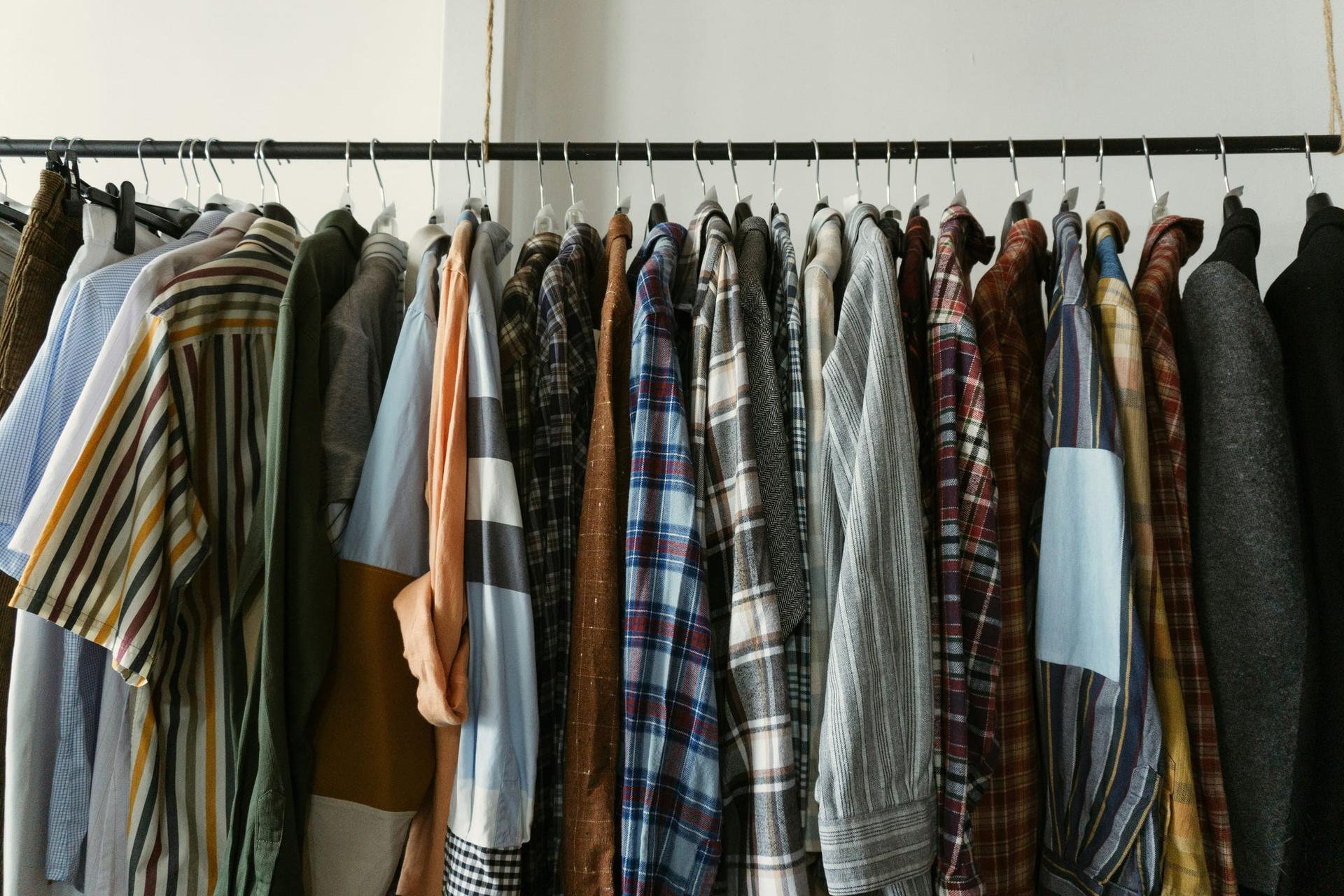
Your stack review should read like a fashion buyer’s memo: what to adopt, what to hold, what to cut.
The new AI stack is less exciting than model announcements and more important.
Builders should watch retrieval first. If the assistant pulls from outdated product data, weak policies, or stale catalog attributes, the answer will be polished and wrong. Fashion is especially sensitive because size, stock, season, and region change constantly.
The second watch point is evaluation coverage. A fashion assistant needs tests for mood, occasion, returns, restricted claims, sizing, sold-out products, multilingual tone, and brand voice. A generic benchmark will not tell a team whether the assistant understands “wedding guest but not trying too hard.”
The third is policy enforcement. The model should not be responsible for remembering every business boundary. Discount rules, claim restrictions, privacy limits, market differences, and escalation paths need to sit around the model as controlled systems.
The fourth is unit economics. A feature that feels magical in a demo can become expensive when every search, image, or assistant response triggers multiple model calls. The cost question is not anti-innovation. It is how teams keep useful AI alive after the pilot budget ends.
A practical stack review should sound like a buyer’s edit. What do we adopt? What do we hold? What do we cut? Which vendor is useful but replaceable? Which part must remain owned by us because it carries taste, customer trust, or data control?
The teams winning will not outsource the seams. They will know exactly where the model ends and the business begins.