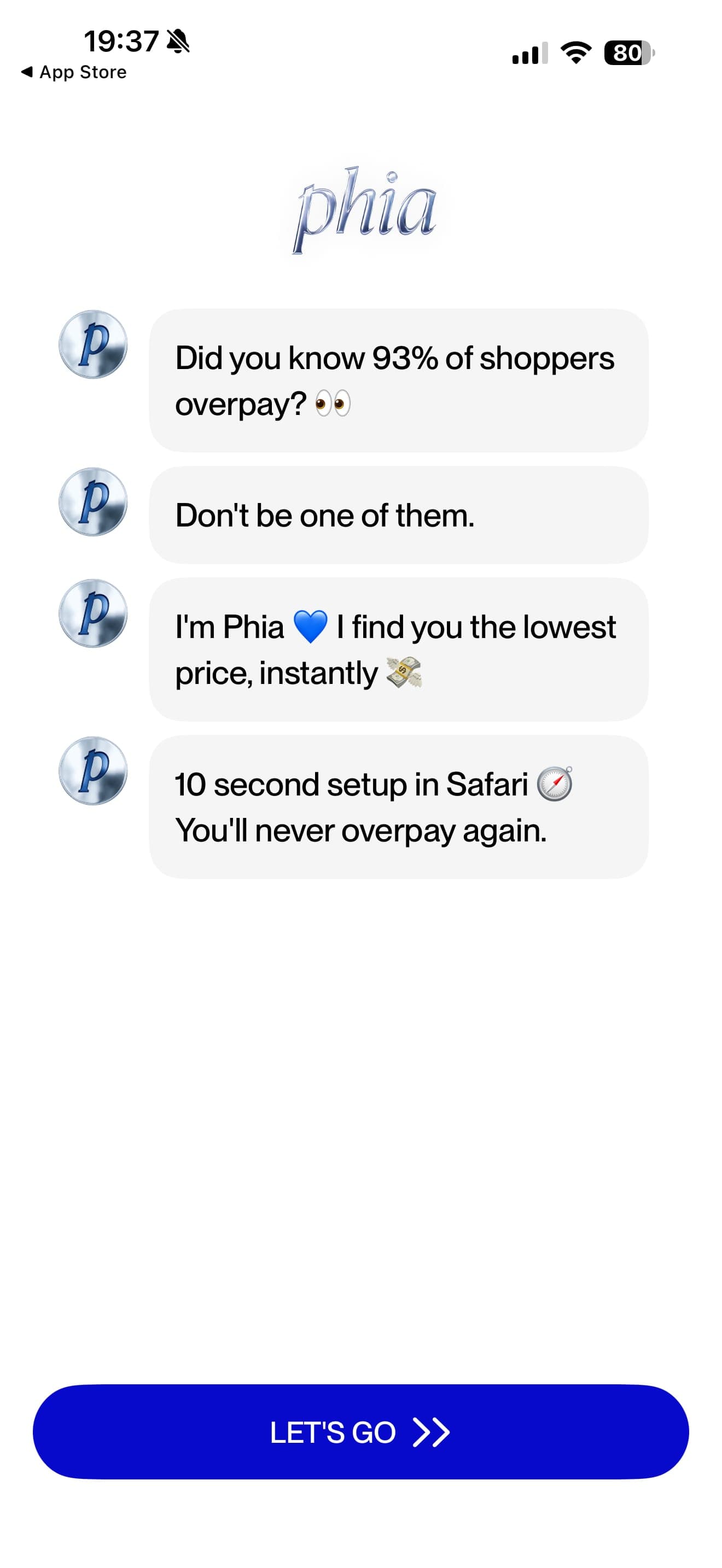
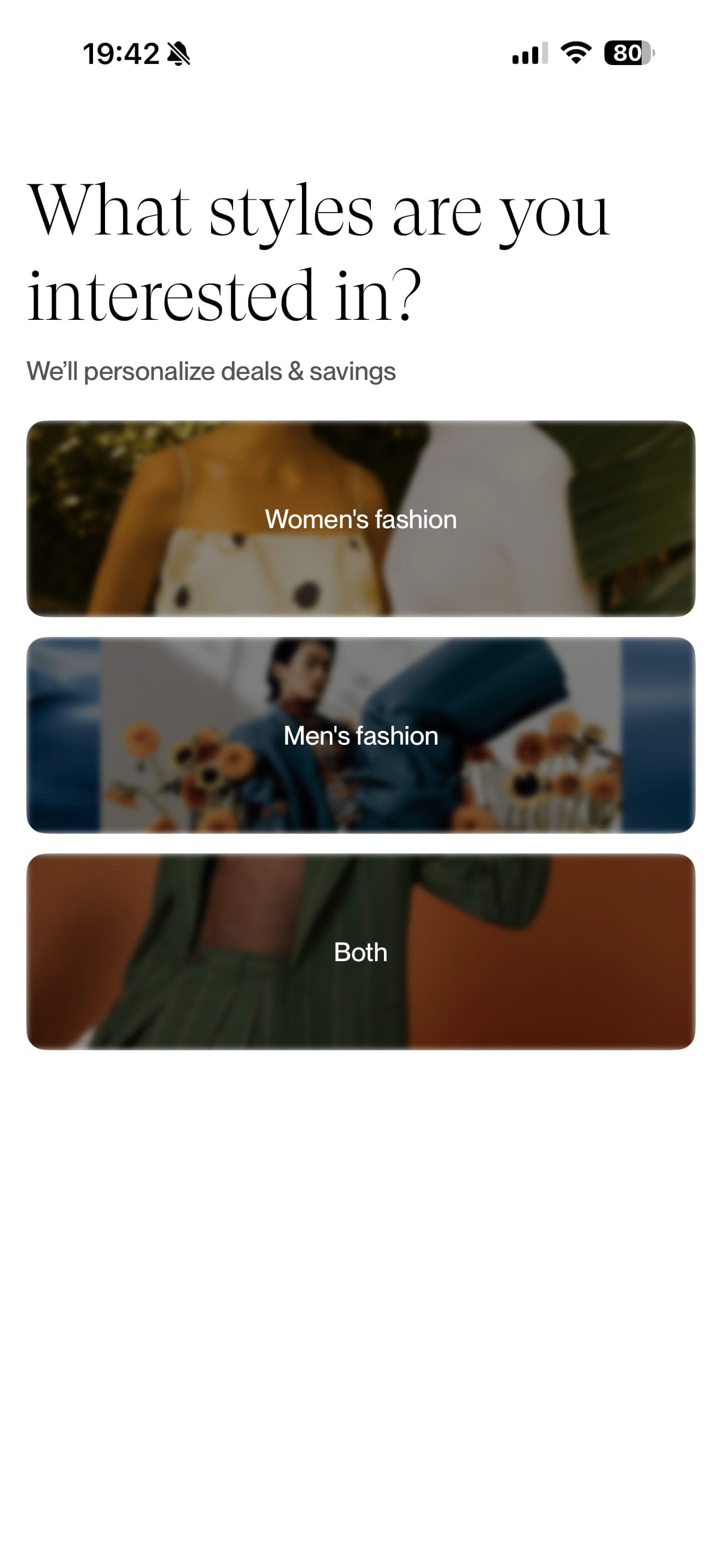
We used to laugh at smart fridges that warned you when you were running low on milk. Now AI wants to know how many black T-shirts I own and whether I actually need one more. Phia is bringing that logic straight into my wardrobe with Digital Closet — a feature that pulls in past purchases and uses them as context when I shop for something new.
And to be fair, the premise is solid. Digital Closet can pull items from purchase history and e-receipts, turning old order confirmations into an actual wardrobe inside the app. Instead of starting from an empty screen, Phia can bring in things I already bought and organize them for me. That also saves users from the joy of spending an entire weekend photographing and cataloging every shirt they own.
Phia
Within a few weeks of beta testing, 102,000 users had already used purchase sync, and more than 550,000 items had been added to closets. The more interesting number is what happens when people connect their order history: those users end up importing around 600 items on average.
At that point, it is less of a wardrobe and more of a small warehouse.
Phia is also working on camera-roll uploads, AI recommendations, and smarter organization. That means the closet can gradually become more than a list of past purchases. It can help match new clothes with things already at home, suggest combinations, and potentially notice when a new item looks suspiciously similar to something already sitting in the wardrobe.
Retailers might not love that last one.
Still, a digital closet makes you expect something a little more futuristic.
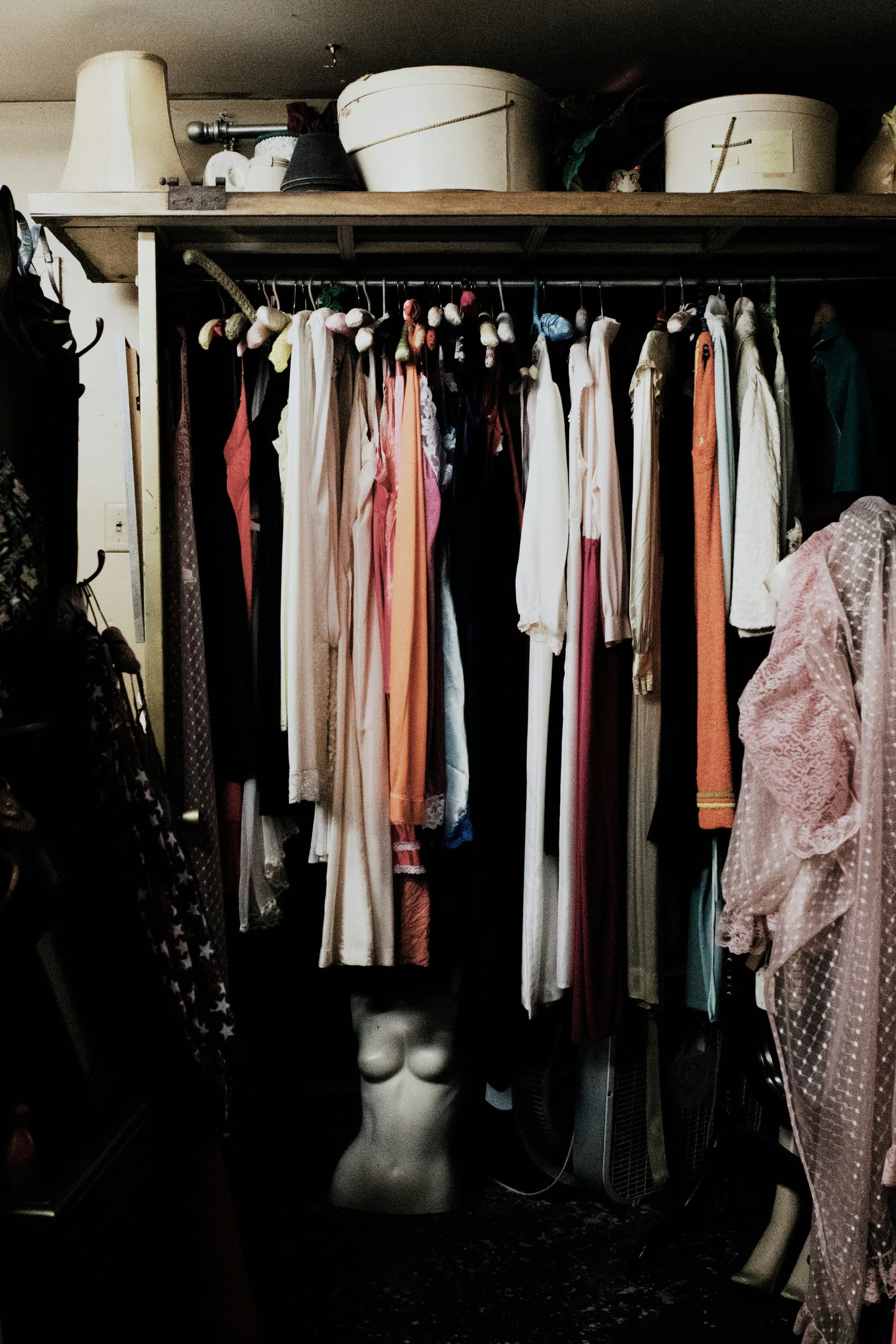
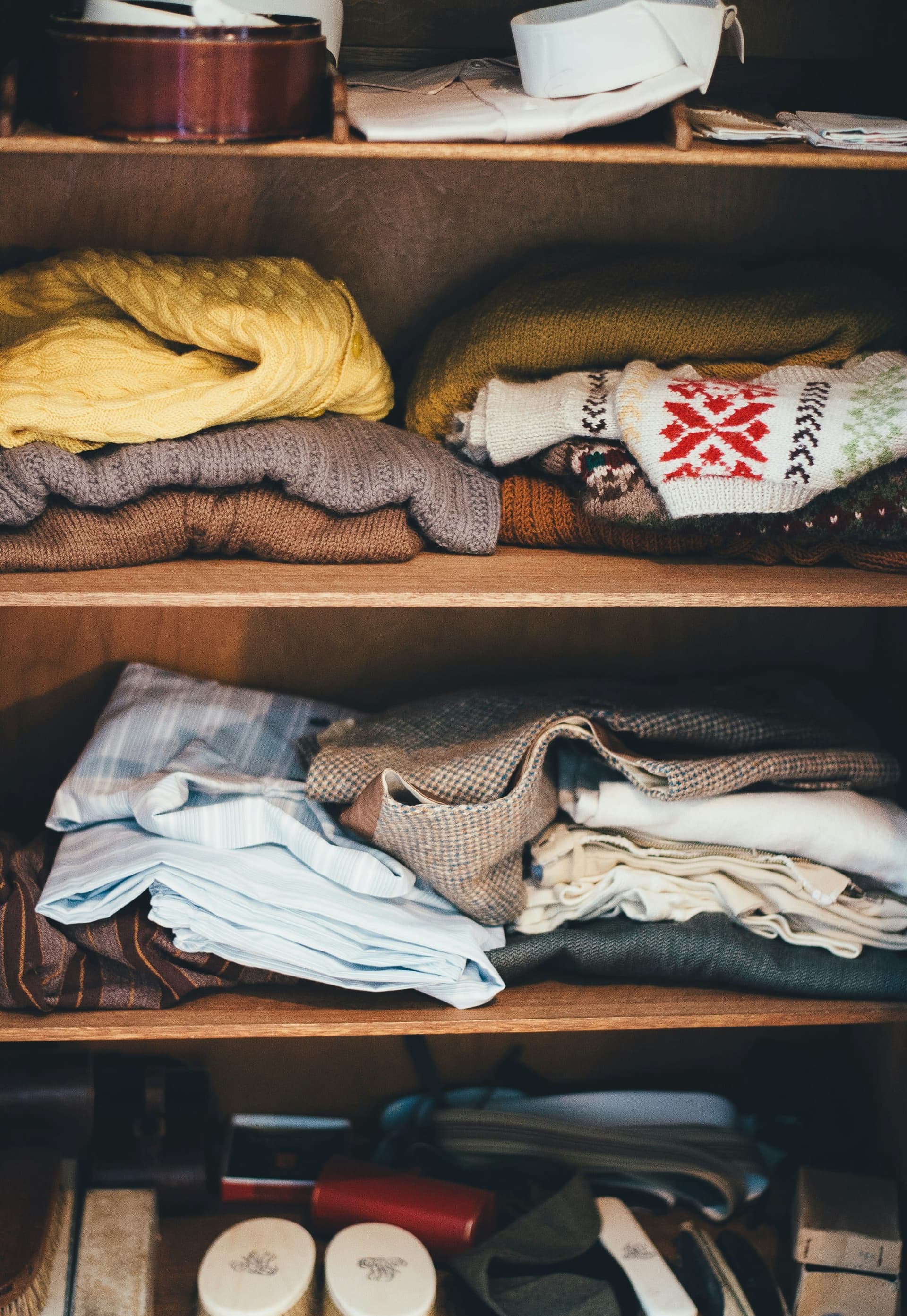
Adrienne Leonard / Unsplash
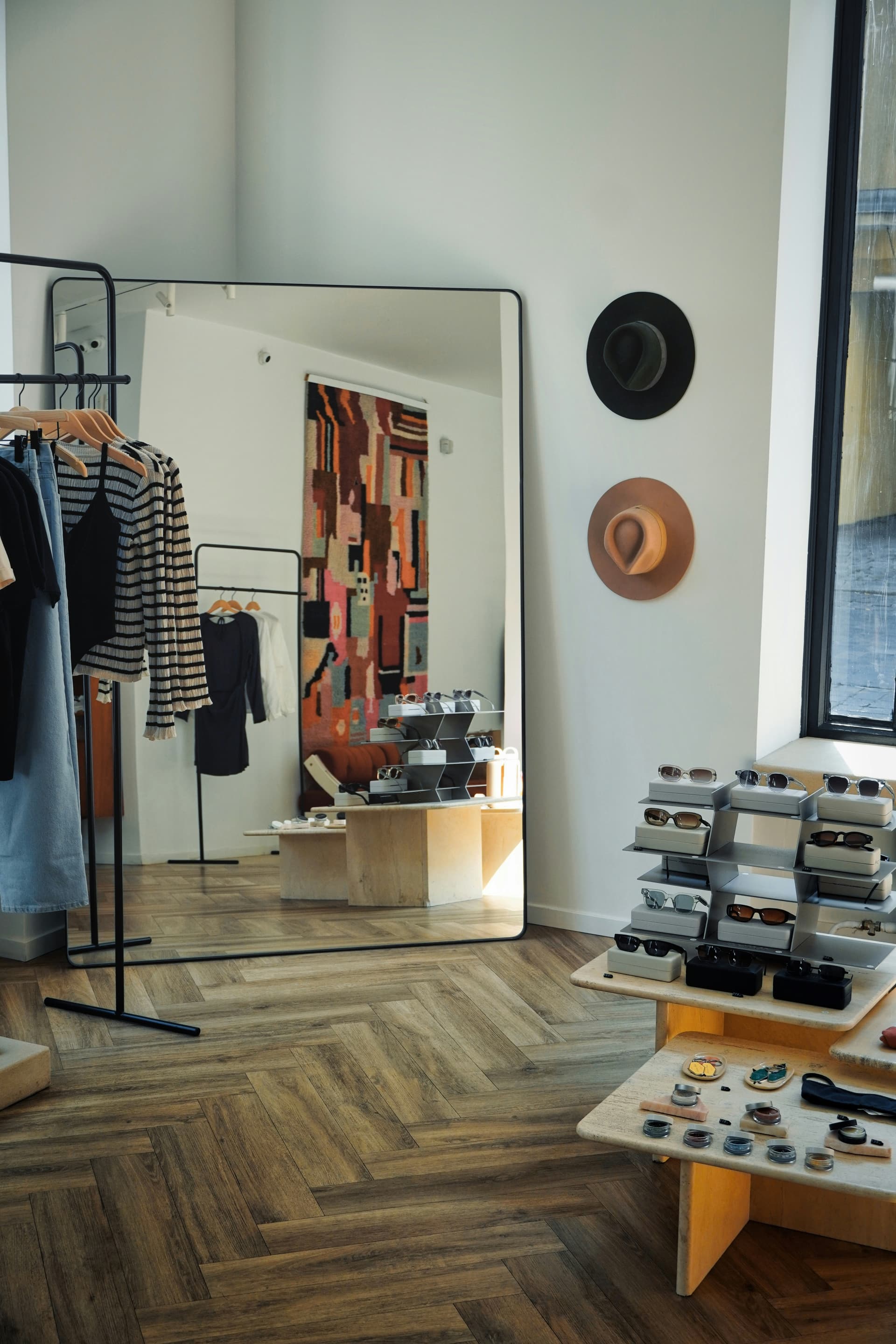
If an app already knows what is in the wardrobe, I want more than a neat catalog. I want to pick a pair of trousers I already own, add a jacket from a store, and see the full outfit on myself. Virtual try-on feels like the obvious next step: not trying one new item on a generic model, but mixing what is already at home with what I am thinking about buying.
The other obvious problem is what happens when every company builds its own closet.
If Phia, Zara, Zalando, Google, a few AI stylists, and a dozen startups all launch their own version, I am not rebuilding the same wardrobe in every app. Clothes already come with brands, SKUs, sizes, colors, product images, and purchase history. At some point, the industry will need a way to move that information between services.
Otherwise, we get a very familiar kind of tech future: ten AI stylists promising to understand my style, and every one of them starts by asking me to upload all my pants again.
For digital closets, that may matter more than the next shiny AI feature. If a wardrobe is easy to import, update, and move, the idea starts to make sense. If every service keeps everything locked inside its own app, it quickly becomes another account, another sync, and another thing I stop using after a week.
Phia made a smart first move by solving the boring part first. Rebuilding a wardrobe from past purchases is much better than handing someone an empty screen and an Upload button.
What happens next is the interesting part.
Either the digital closet becomes the place where the clothes we own, the clothes we shop for, and virtual try-on finally meet — or fashion has simply built its own Wi-Fi kettle.