Before fashion, I worked as a data engineer at companies whose names would never make the news. I moved from one company to the next, but after a few months, they all started to feel the same. I liked the work. I had no intention of changing careers, and I certainly didn’t expect a new logo on my badge to turn an ordinary workday into a party. I just wanted my job to be connected to an industry I actually cared about instead of existing in a separate compartment from the rest of my life.
Back then, my life followed a simple route: home, subway, coffee, code, subway again, home again. Somewhere nearby, another world seemed to exist—fashion shows, celebrities, palaces, champagne. I knew perfectly well that magazines only showed the polished side of the industry. I still wanted to get a little closer and see what was behind it.
I wanted to stay a data engineer, just at a company that reflected my taste and gave me more room to express who I was. So I accepted an offer from [REDACTED]. It felt as if I had finally stepped through the magazine page.
On my first day, instead of champagne, I got a laptop. Instead of a palace, there was a pretty decent office. And instead of meeting Noor Khan, I was added to the supply chain team chat.
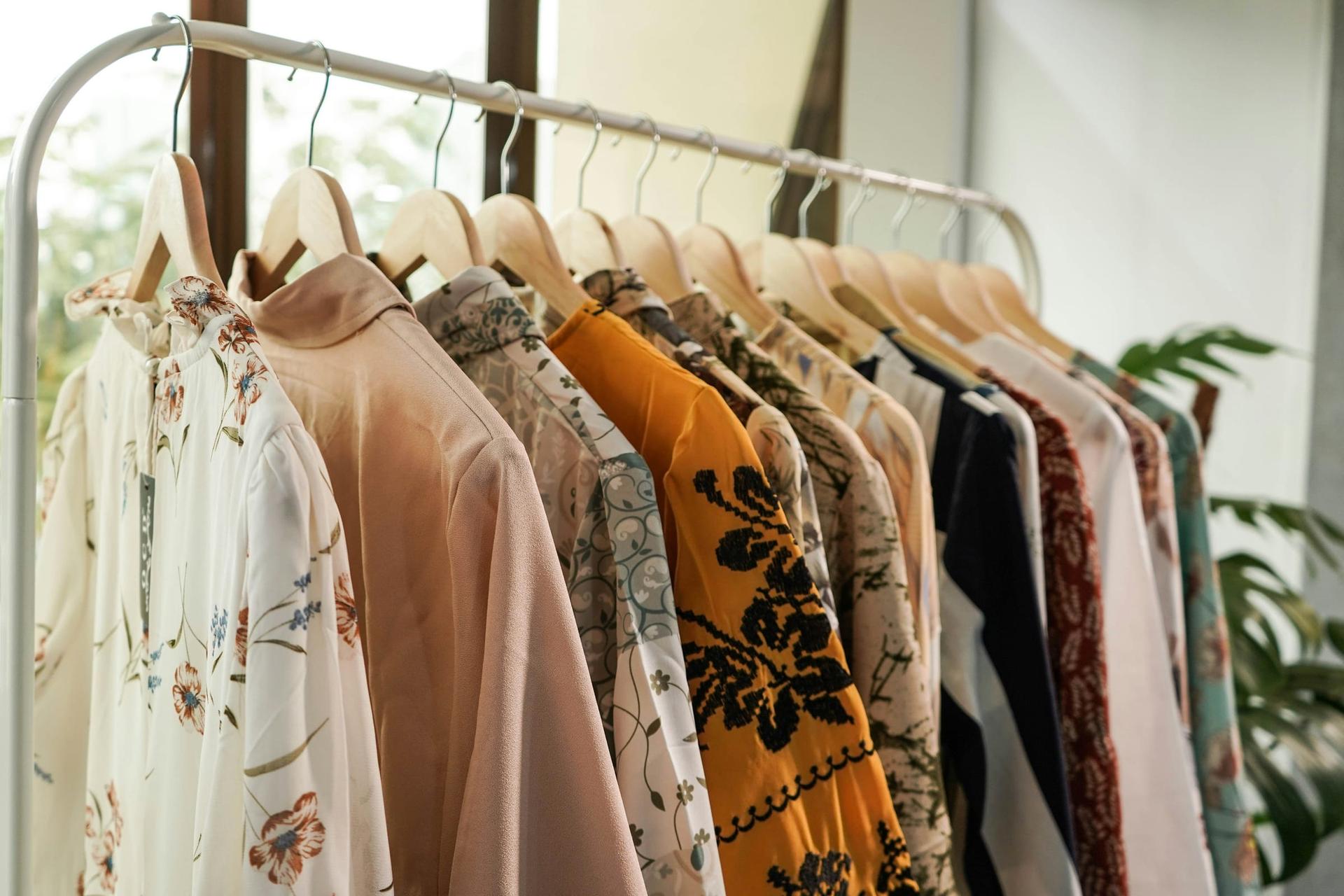
At first, it looked almost exactly the way I had imagined. Entire floors were packed with clothes. New collections hung from rolling racks, boxes of samples moved through the hallways, and the sales teams’ offices looked like miniature showrooms. Brand names, seasons, and collection codes were part of every conversation. I really was inside fashion.
But luxury was nowhere to be found.
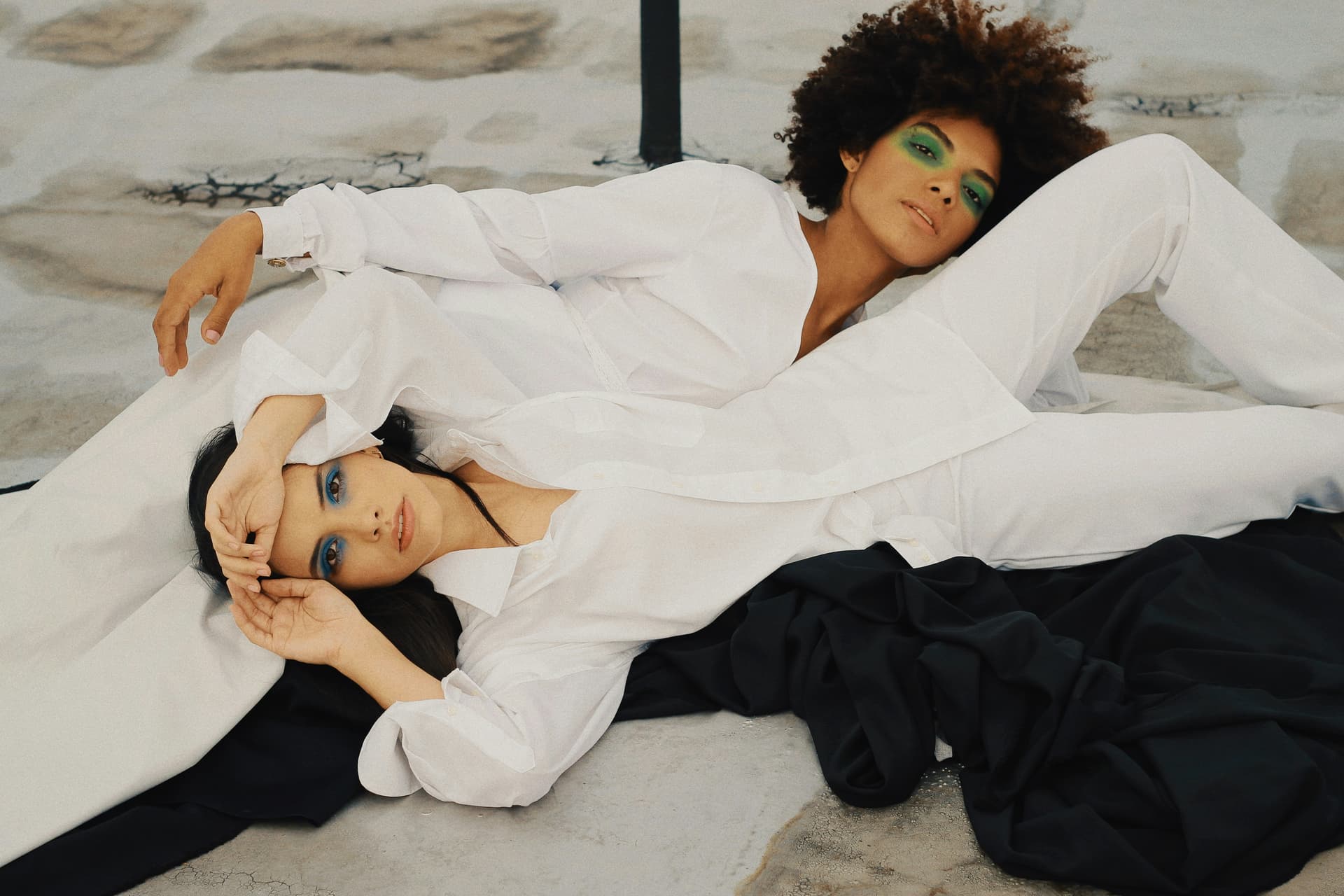
There were narrow aisles between racks and boxes. Photographers shot one product after another. Tired models spent eight hours in front of the camera, then left to find their next client or make it to class. Everything was cramped, fast, and much closer to a factory than a fantasy. And most of the day, I wasn’t looking at clothes. I was looking at code.
Fashion was all around me. Luxury stayed somewhere outside—in storefronts, campaigns, and on a screen.
A few weeks later, even that became normal. I stopped noticing the racks in the hallways and barely looked at the new collections. A shoot could be happening ten feet away, dozens of nearly identical jackets could pass through the office in different sizes, and the sales team could be turning a meeting room into a showroom. It all became background noise.
Most of the work was no different from working at any other large company. Data arrived broken. Integrations failed. Numbers didn’t match. Someone always needed an urgent fix for something that had already been broken for months—often because the same product collects a different ID in every system.
I had joined fashion looking for a more vivid life. As it turned out, only the scenery around the work was more vivid. The work itself was still work.
Over time, I realized that luxury barely exists inside a fashion company. There are budgets, shipments, sales, returns, warehouses, photo shoots, and constant deadlines. People spend all day moving clothes, photographing them, entering them into systems, and racing to be ready for the next season. Nobody walks through the office holding a glass of champagne. Nobody talks about the beauty of a new collection longer than the job requires.
A dress that will appear in an expensive campaign next month might be sitting in a cardboard box in the middle of the hallway today. Beside it are twenty more versions in different sizes and colors. To the customer, every piece has to feel special. Inside the company, it is a product that has to be produced, photographed, shipped, and sold on time.
Eventually, I stopped looking for the world I had seen in magazines. I understood that it was built for the people on the outside.
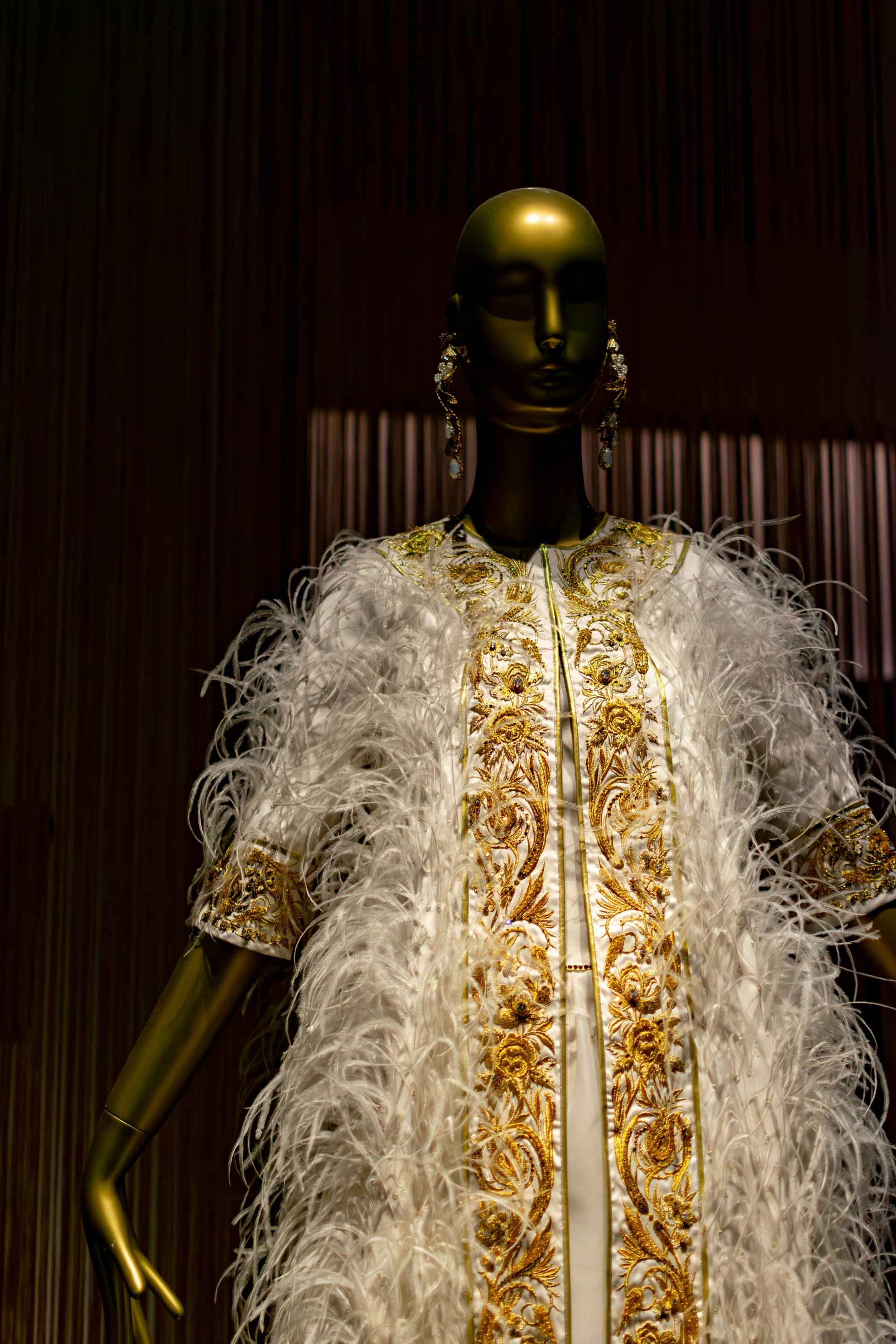
Luxury is the storefront.
Behind it, ordinary people do ordinary work. The result just looks much better than the process.
Still, I kept waiting for the day someone would invite us to a fashion show. It seemed like something that should happen automatically. I worked inside the brand. I saw the collections before they launched. I was part of the company putting on the show.
When the office started preparing for the next one, I waited for someone to explain how invitations worked. Nobody did. Eventually, I asked the photographers how to get in.
They laughed.
“We only work here. Other people go to the shows.”
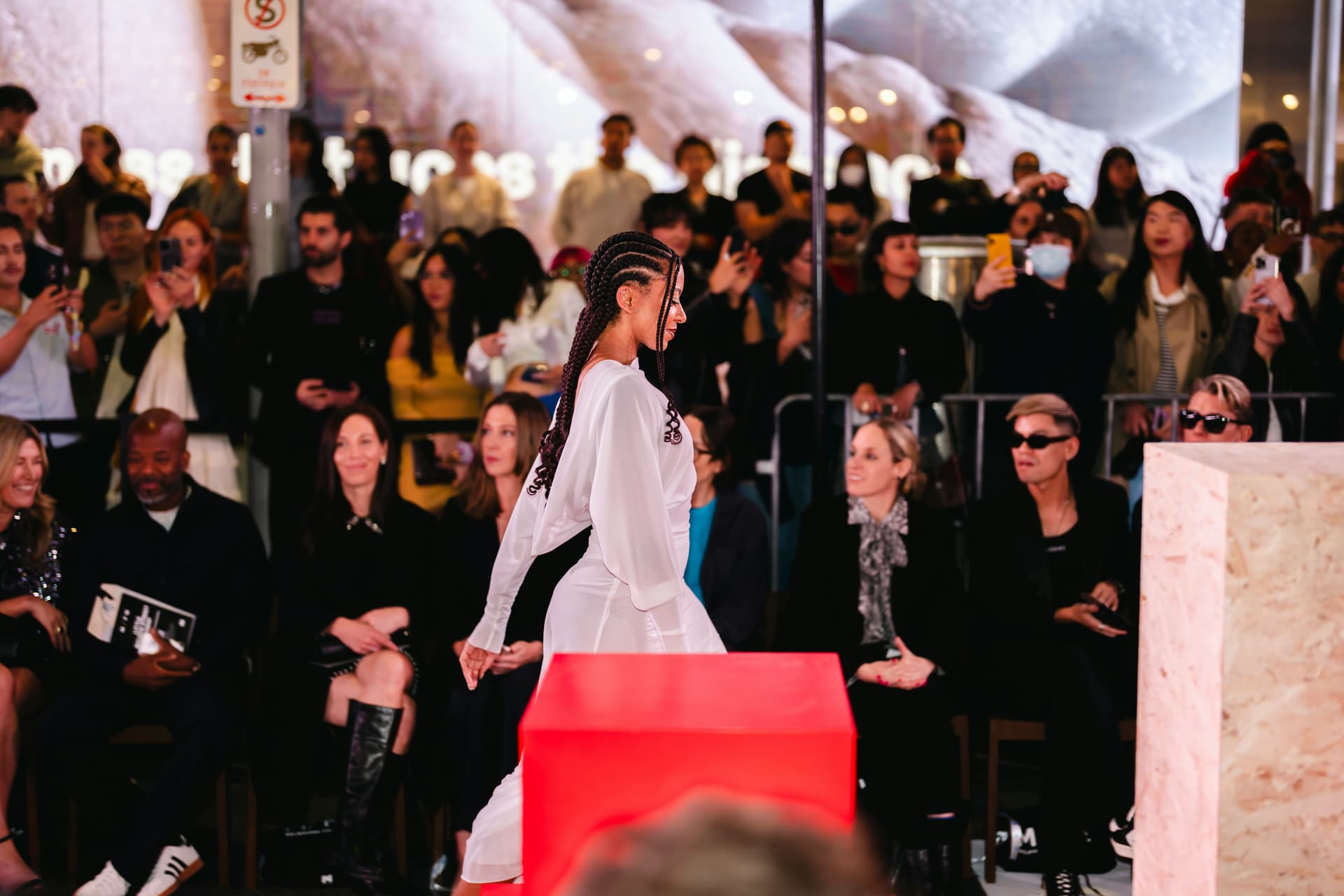
That was when the structure became obvious. You can work with the collections every day, photograph them, write code for them, and help the brand make money. None of that means you will be invited to the place where fashion presents itself to the world. Fashion Week kept its closed rooms for a reason; the seats are a scarce marketing resource, not a staff benefit.
After that conversation, I started looking for a way in on my own. I asked coworkers, messaged people I knew, and tried to figure out who actually received invitations—and whether someone without the right title or the right connections could get one.
Everyone else was much less invested. The photographers shot clothes all day and had no interest in spending their evenings looking at more clothes. The sales teams attended shows for work and treated them like another client meeting. My colleagues in technology could not understand why I wanted to go at all.
“We don’t even follow [REDACTED] on Instagram. What show?”
For them, it genuinely did not matter. They were used to the brand, the clothes, and the people passing through the office. Fashion was their job, not their dream.
For me, it was different.
This was the side of the industry that had pulled me in. Not the Instagram photo or the champagne, but the feeling that I had finally entered a world I had spent years watching from the outside.
So I kept asking.
I started with the sales team. They shut it down immediately: their invitations were for buyers and clients. They had sales targets to hit, so I understood. There was no point pushing.
The designers’ answer disappointed me more. In my imagination, designers never missed a show—not even the interns. Otherwise, why become a design intern in the first place?
It turned out that even they rarely got the chance to attend.
That left the executive floor. There were probably invitations up there, but I did not know anyone yet. I could not exactly walk in and ask whether there was a spare seat for a data engineer.
The more I searched, the clearer it became that getting into a show from inside the company worked almost exactly like getting in from the outside. You needed the right role, the right connections, and a reason someone should give the seat to you. When the house invitation never arrives, there are still professional routes around Fashion Week—presentations, panels, production work, and the public layer the calendar leaves open.
At some point, I also understood that for most people at a fashion show, the show is work. Sometimes boring, often exhausting, and almost always involving overtime. Models wait for hours to walk for a few minutes. Buyers move from one appointment to the next. Influencers produce content. The brand team finishes long after midnight.
I was just an engineer. I did not have to sell anything, photograph anything, or prove anything. For me, the show was not work. I simply wanted to watch it.
In the end, it was not the brand or the right job title that got me inside.
One of the models was in college and asked me to help with the code for her thesis project. She was sitting in the office dining area, visibly stressed over a broken Python script for her CS elective, and someone pointed her to the technology corner. I did. A while later, she asked if I wanted to come with her to a show.
That was how I finally entered the world I had joined fashion to see. Not through management, sales, or design, but through a model who happened to need a data engineer.
After the show, she got me into the after-party too.
But that is another story.
When I think back to my first day in the office, I can see how naive I was. Luxury turned out to be a glossy layer spread over a huge amount of hard work. Inside fashion, the hierarchy is completely different from the one presented to the public—and design is not always at the top of it.
Since then, I have been to three shows, and not only for [REDACTED]. I know plenty of models now, and even a few celebrities. My friends think my life is all luxury, limousines, and champagne—especially if they judge it by my Instagram.
In reality, I have spent the past three months trying to make another AI data agent work the way it is supposed to. It still doesn’t. Turn the assistants off for a day, and the same office learns quickly how much ordinary work already depends on them. But I like my job. And I like the way it looks from the outside.