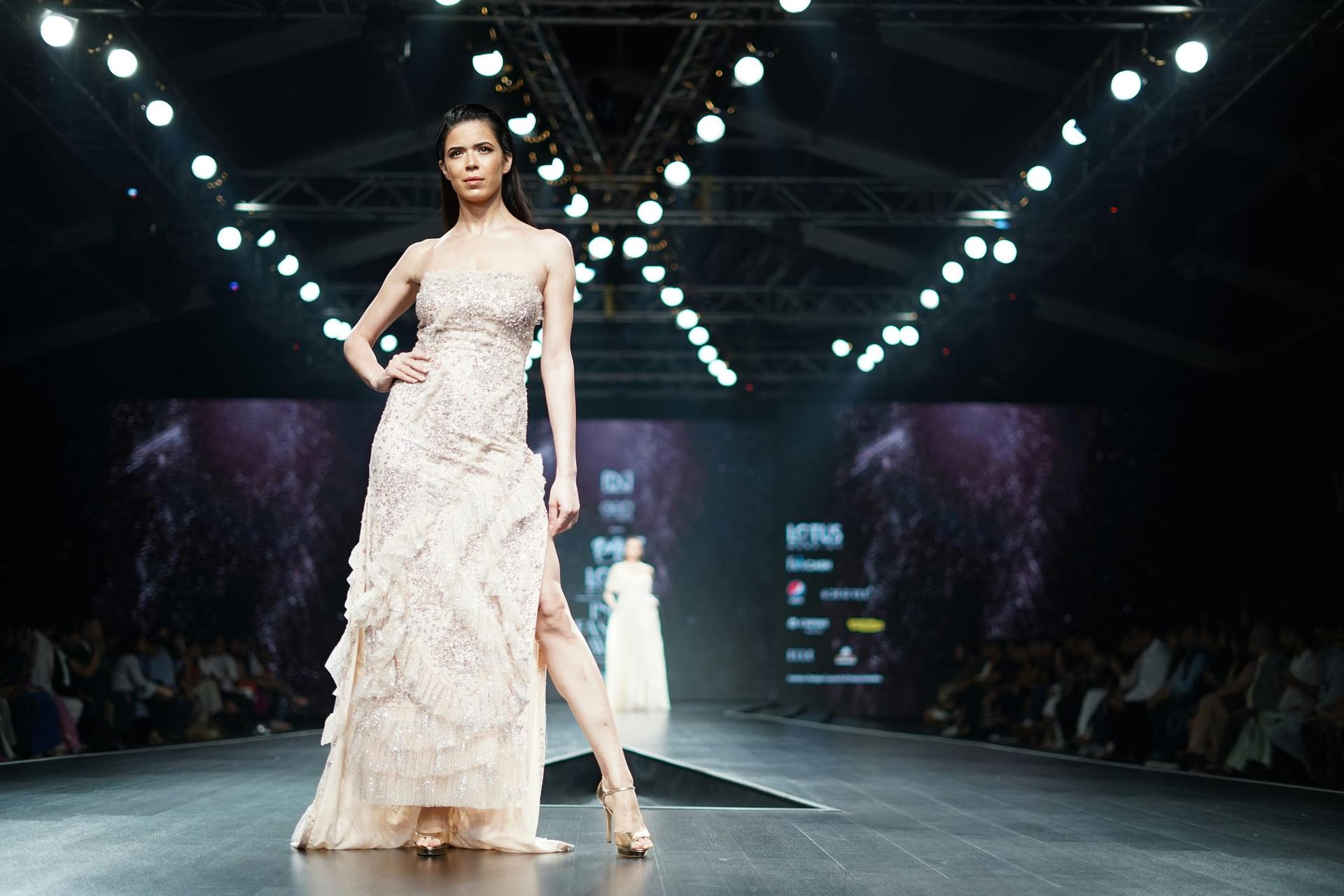
You probably will not receive an invitation to Chanel, Prada, or Louis Vuitton.
But that no longer means Fashion Week has to be experienced entirely through Instagram. The closed rooms did not open; the industry split into a protected original and a public market around it.
The point is not to force your way into the most protected room.
The point is to enter the wider system around it.
To understand an ecosystem, you have to exist within its context—not simply rush through it.
That context matters.
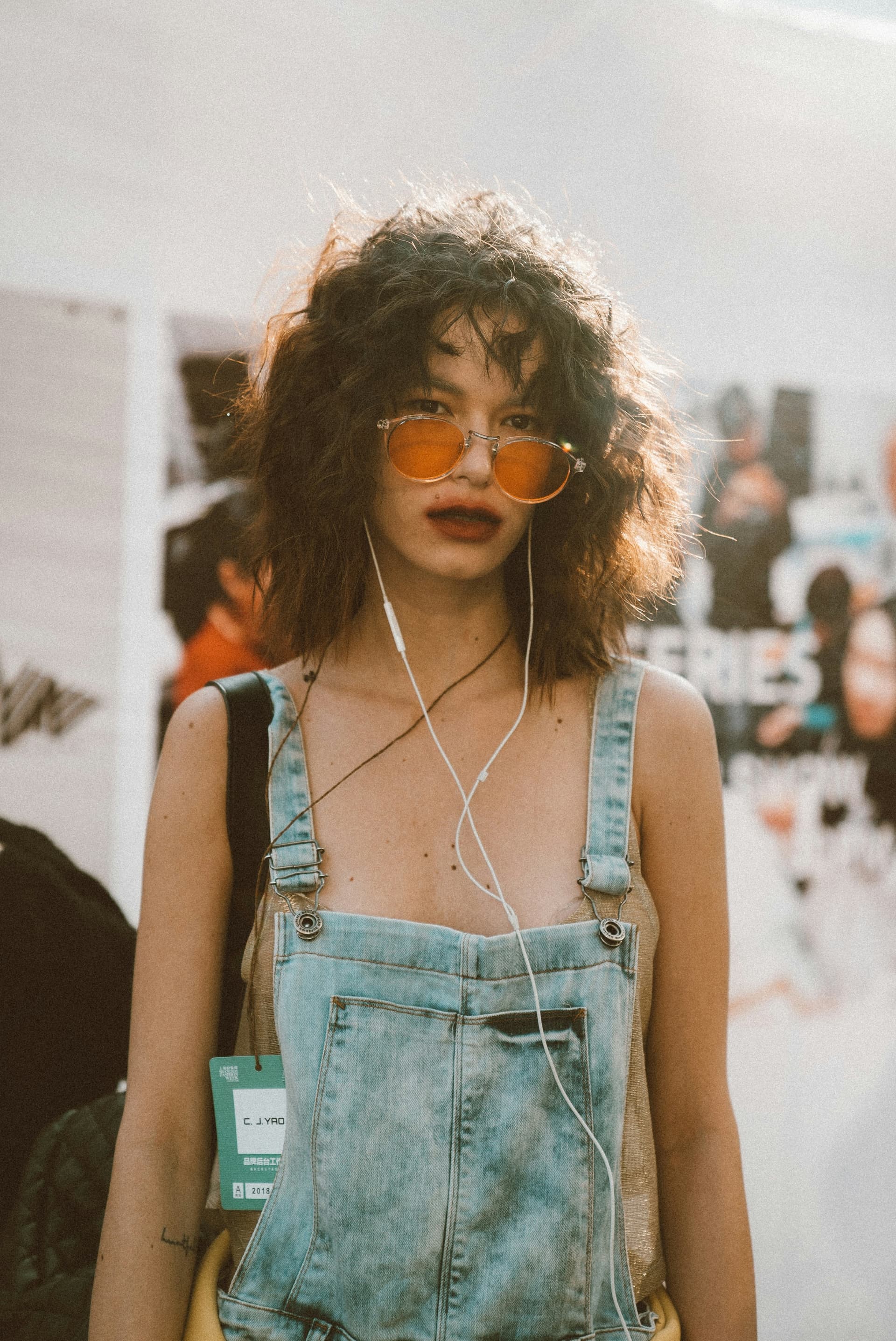
Dress with focus. A sharp silhouette or one distinct detail usually works better than over-styling, especially in an environment where guests, creators, and photographers are constantly reading one another visually.
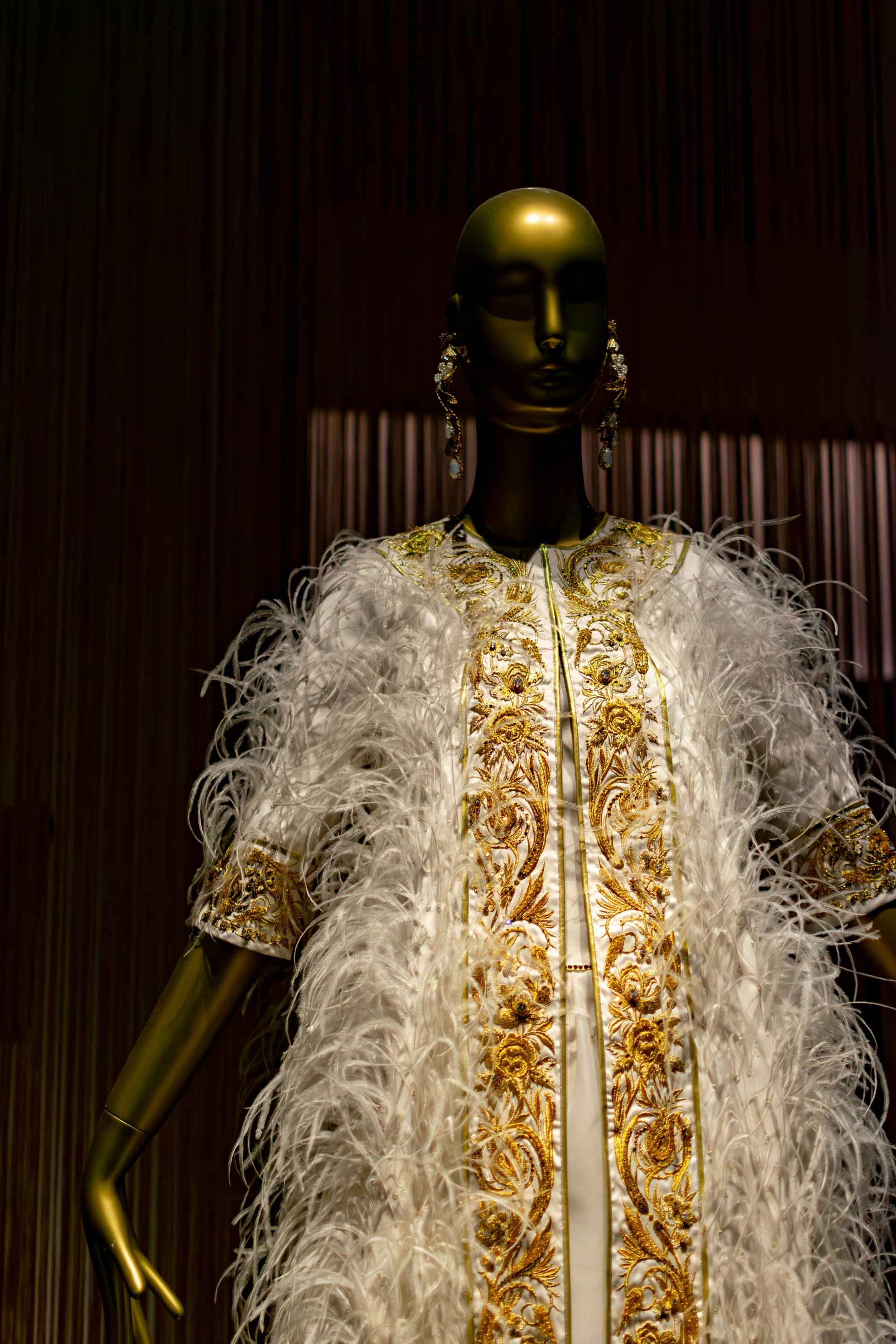
Spend time inside the cultural layer surrounding the events. Visit a fashion museum or exhibition and look at archival collections, historic garments, textiles, and the designers whose work still shapes what appears on the runway.
Even a small independent show becomes more legible once you begin recognizing references, construction choices, and silhouettes that would otherwise pass unnoticed.
The same applies to the city around the venue.
A hotel lobby, restaurant, rooftop, or bar near a major show is not merely part of the entertainment. It can be an observation point: a place to see how guests move between events, how informal meetings happen, how creators produce content, and how the official schedule spills into the surrounding neighborhood.
Fashion Week is as much about these temporary concentrations of people and attention as it is about the shows themselves.
Think of the day as a sequence of connected environments: an exhibition, a presentation, a conversation, a retail experiment, a walk through a media-heavy district, and perhaps one more event discovered at the last minute.
Once you accept that access is a route rather than a single door, the operational reality becomes clear: Fashion Week is much larger than its official calendar.
For one week, a city becomes a temporary ecosystem of presentations, pop-ups, retail experiments, production crews, media teams, founders, buyers, creators, and technology vendors.
For people working in Fashion-Tech, the most useful parts often happen outside the most prestigious rooms. Employees already know this: working for a luxury house does not come with a show seat.
A runway show may last twelve minutes. The systems surrounding it operate for weeks: guest management, product data, content production, virtual experiences, retail activations, creator distribution, CRM capture, and post-show commerce. The same invisible stack runs ordinary commerce after the week ends—only without the runway lights.
Fashion Week is not simply where fashion displays clothes.
It is where the industry tests how attention becomes content, data, relationships, and sales.
Stop looking for one Fashion Week entrance
There is no universal Fashion Week ticket.
Each fashion house controls its own guest list, venue, press allocation, buyer access, celebrity seating, client invitations, and production partners. The official calendar represents only the most visible layer.
Around it sits a much larger ecosystem:
- independent runway shows;
- designer presentations;
- showrooms;
- graduate collections;
- public panels;
- Fashion-Tech events;
- retail activations;
- product launches;
- temporary stores;
- production jobs;
- creator events;
- exhibitions;
- open castings;
- street-style media zones.
This is where access becomes more realistic—and often more useful.
The goal should not be to enter the most famous room. It should be to identify where your interests, profession, or perspective give you a reason to be there.
1. Independent shows are small operating systems
Independent runway shows are the easiest way to experience a real fashion production without relying on personal connections.
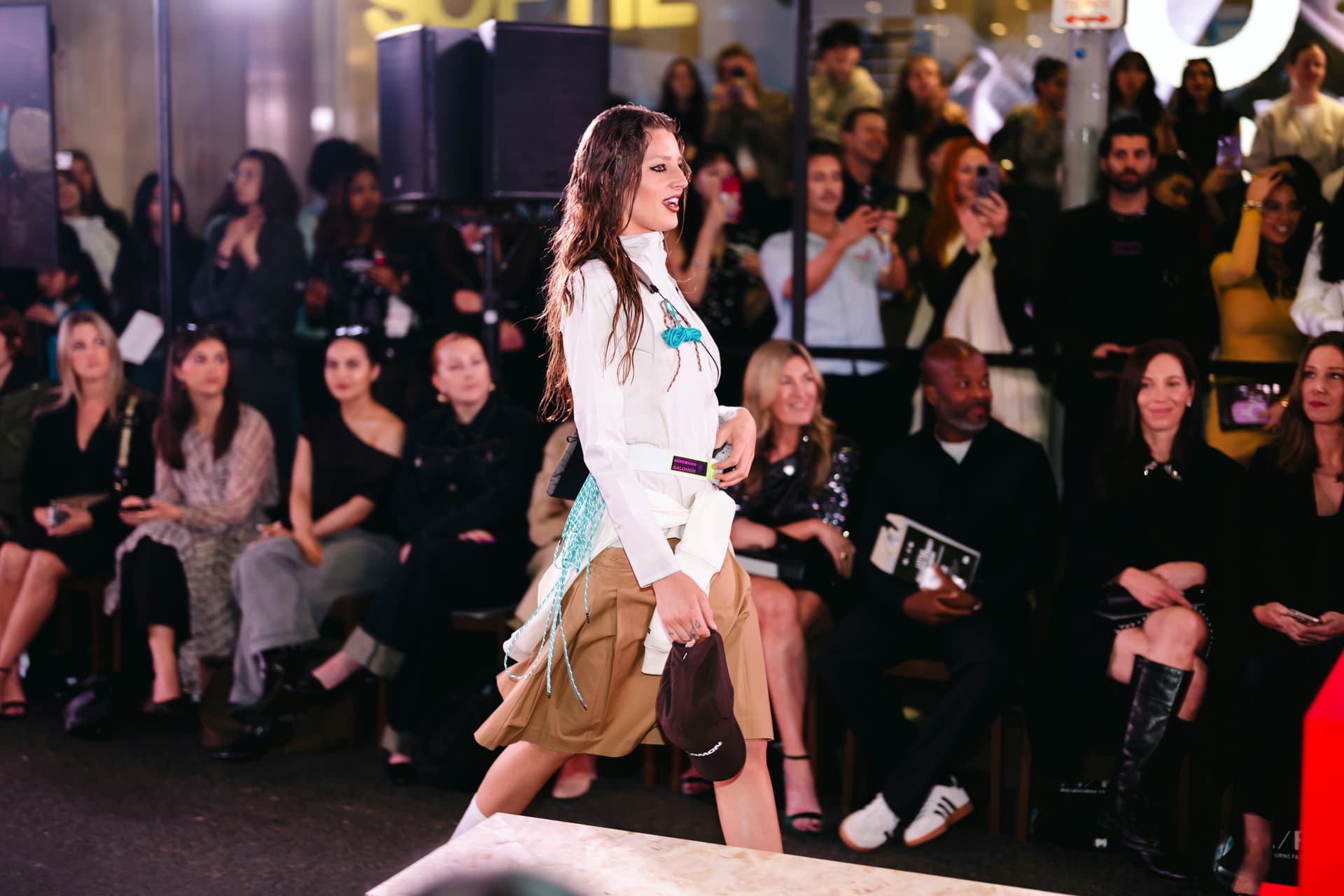
Tickets are often sold publicly through event platforms, independent organizers, and multi-designer collectives. These shows may not have the status of the official luxury calendar, but they still require the same core machinery: casting, styling, lighting, sound, guest management, content production, scheduling, and backstage coordination.
That makes them valuable beyond the clothes.
Look at how the event is structured.
How is the audience checked in? Is seating assigned manually? Are tickets scanned properly? How are sponsors integrated? How quickly does content appear online? Does the organizer know who attended, or is the guest list simply a spreadsheet at the door?
Smaller shows make operational weaknesses easier to see.
Luxury houses can hide broken processes behind staff, budget, and exclusivity. Independent productions cannot. Their constraints make them useful case studies in event technology, audience management, and content operations.
They also reveal the economics of smaller fashion events.
A multi-designer production may depend on ticket sales, participation fees, sponsors, creator coverage, and premium access packages. The audience is not simply there to watch. It may be part of the revenue model.
For anyone building products for fashion events, independent shows often provide a clearer view of the real problems than a perfectly controlled luxury production.
2. Presentations reveal more than runways
Not every collection needs a traditional catwalk.
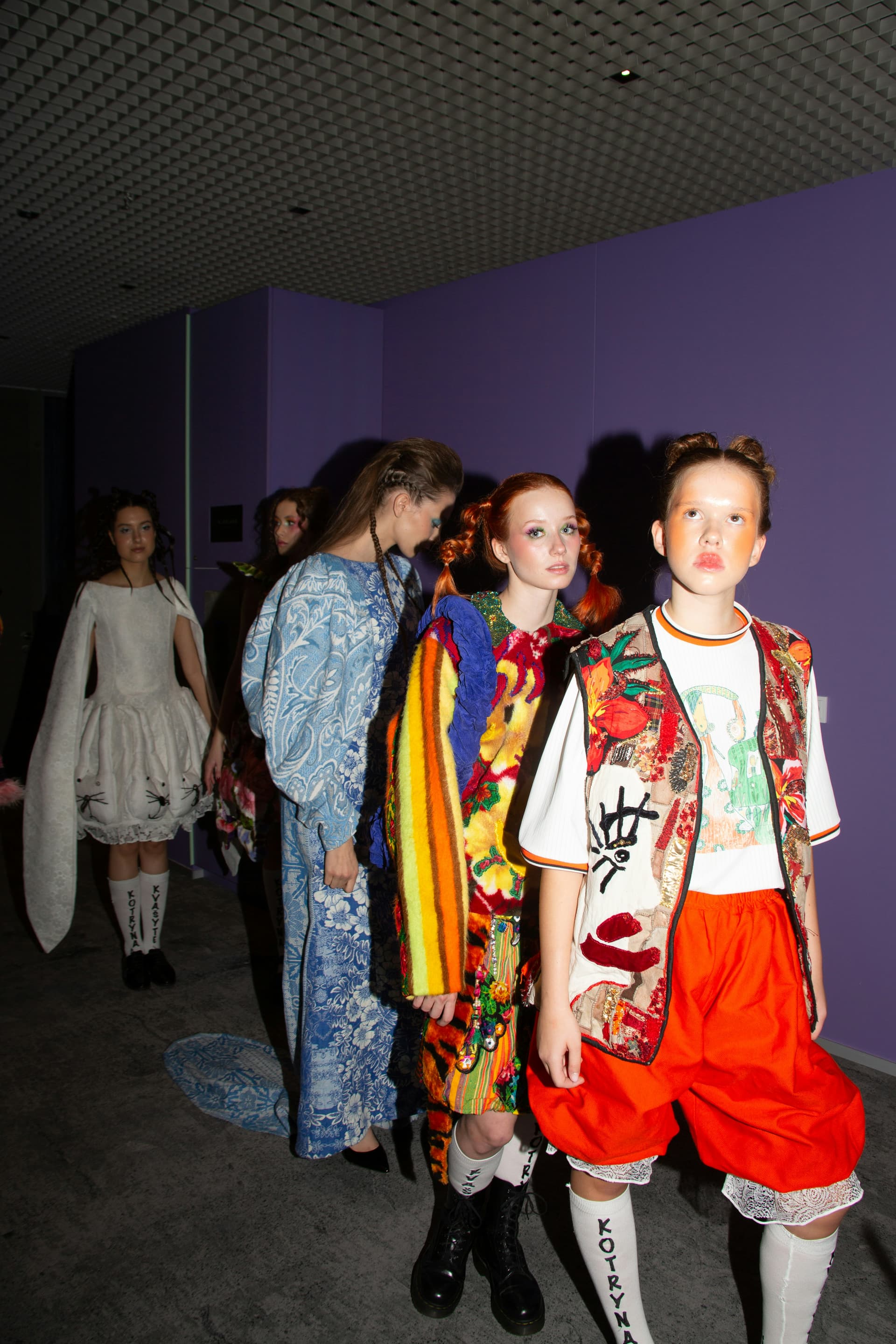
Designer presentations take place in galleries, showrooms, hotels, stores, and temporary spaces. Models may stand inside an installation, move among guests, or rotate through looks over several hours.
For product people, presentations are often more useful than runway shows because the interaction is slower.
You can examine garments closely, observe how visitors move through the space, and see which products attract attention. You may also speak with designers, stylists, showroom teams, and brand representatives without competing with a loud soundtrack and a twelve-minute schedule.
Presentations expose a different commercial logic.
A runway show optimizes for spectacle and media impact. A showroom or presentation must support conversation, evaluation, photography, and sometimes buying decisions.
That creates different technology needs: product information, digital line sheets, order capture, sample tracking, clienteling, inventory visibility, and follow-up.
A presentation also makes it easier to observe what happens between the physical collection and the systems supporting it.
Can the team find product information quickly? Are samples tracked accurately? Can a buyer move from interest to an order without several manual handoffs? Does the digital material add value, or does it simply repeat what is already visible in the room?
Registration opportunities usually appear through designers, showrooms, PR agencies, and venue accounts. Smaller brands may accept direct requests when the message is specific and professionally relevant.
A clear professional introduction works better than generic enthusiasm. Explain what you work on and why the presentation matters to your field.
3. Panels and exhibitions are where the industry explains itself
The runway shows the final image.
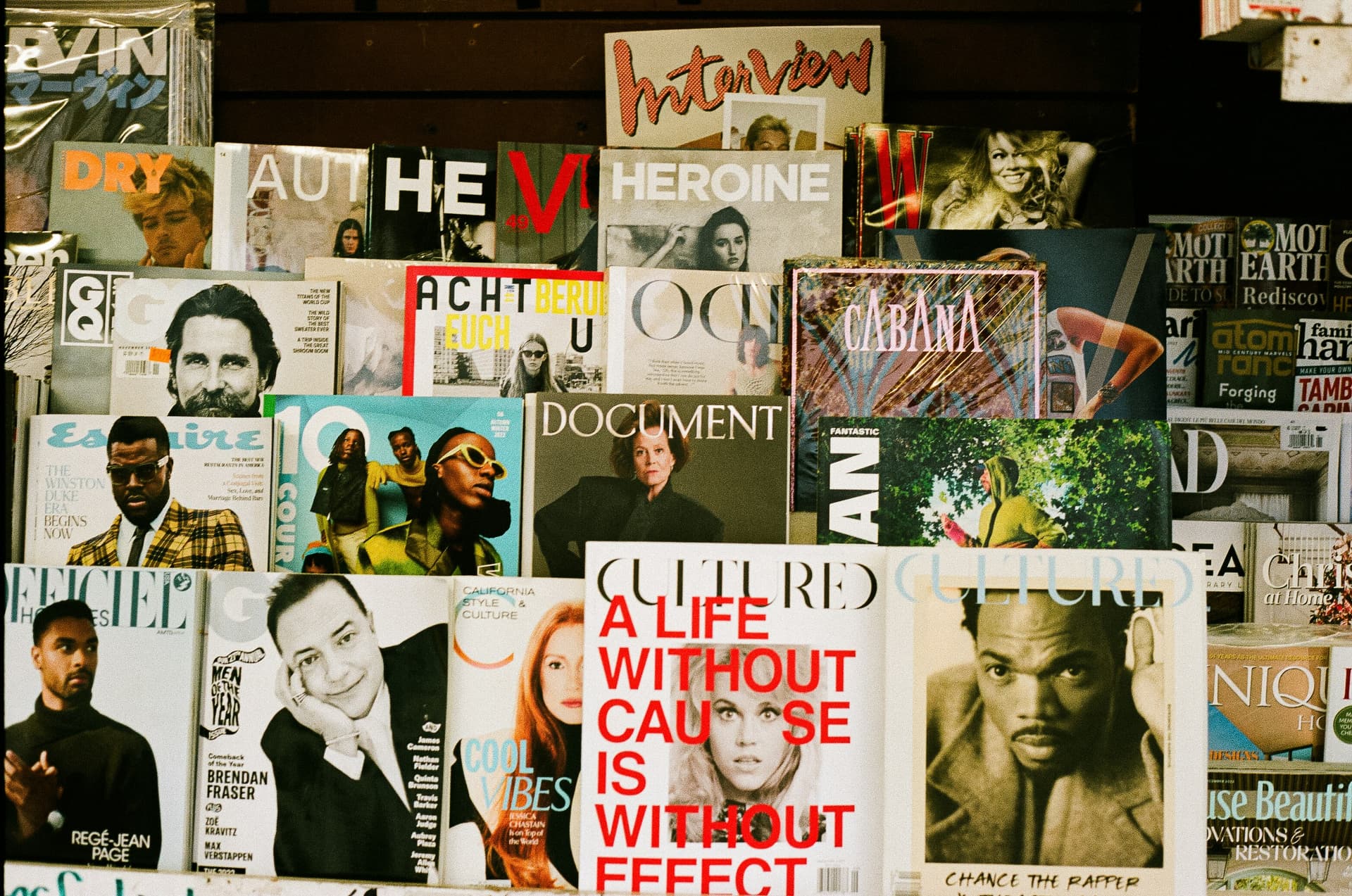
Panels, exhibitions, and public programs reveal how the industry thinks.
During Fashion Week, museums, universities, fashion schools, startups, brands, and technology companies organize discussions around AI-assisted design, virtual try-on, smart textiles, digital identities, 3D workflows, resale, supply-chain transparency, and connected retail.
These events are among the strongest networking opportunities in Fashion-Tech.
The audience is usually more professionally mixed than at a runway show: designers sit next to engineers, product managers, founders, researchers, retailers, investors, and students.
More importantly, the format creates room for actual conversation.
At a major show, everyone moves from arrival to seating to exit. At a panel or exhibition, the discussion often continues after the formal program ends.
Search less like a tourist and more like a practitioner. Look for programs around AI in fashion, digital fashion, retail technology, virtual try-on, smart textiles, and fashion innovation.
But do not accept every panel at face value.
The industry is excellent at presenting pilots as transformation.
Listen for evidence:
- Is the product in production or still a demo?
- Is the AI system used by designers or only shown in a campaign?
- Does the virtual fitting room improve conversion or reduce returns?
- Are smart garments manufacturable at scale?
- Who owns the data?
- What remains after the event?
A polished presentation is not the same as an operating product.
Fashion Week is useful because it lets you compare the story being told on stage with the reality surrounding it.
4. Pop-ups are fashion’s live product labs
The most interesting Fashion-Tech work at Fashion Week may not happen on stage.
It happens in temporary retail spaces.
Brands use pop-ups and activations to test ideas they are not ready to deploy across an entire store network: AI stylists, smart mirrors, body scanning, virtual try-on, RFID-enabled interactions, digital product passports, interactive displays, personalization engines, gaming mechanics, and augmented-reality shopping.
At a conference, a company explains its product through slides.
At a pop-up, you can watch real people try to use it.
That difference matters.
Does the visitor understand where to stand?
Does the smart mirror recognize the garment? Most store mirrors never survived that question at scale.
Does the body scanner create a line?
Does virtual try-on work across different body types?
Does the experience help someone make a purchase, or does it exist mainly to produce social content?
Temporary activations expose the gap between a controlled demonstration and actual customer behavior.
They also show how brands define success.
Some experiences are designed to generate transactions. Others collect email addresses, product preferences, footfall, user-generated content, or social reach. The technology may look similar, but the business objective is completely different.
That is why pop-ups should be treated as live product labs.
Observe the interface, staff behavior, customer confusion, queue design, data capture, and the point where the physical experience connects—or fails to connect—to commerce.
The staff is often as important as the technology. If an employee must explain every interaction, restart the system, or manually correct the result, the experience is not as self-service as the campaign suggests.
The end of the activation is equally revealing. Does the visitor receive a useful recommendation, a saved profile, a product link, or a clear next step? Or does the experience end with a branded animation and no connection to a purchase?
Follow brands, department stores, concept stores, Fashion-Tech startups, hotels, retail districts, and local industry media.
5. Operational access: backstage, production, and tech execution
The most direct way to understand Fashion Week is to work on it.
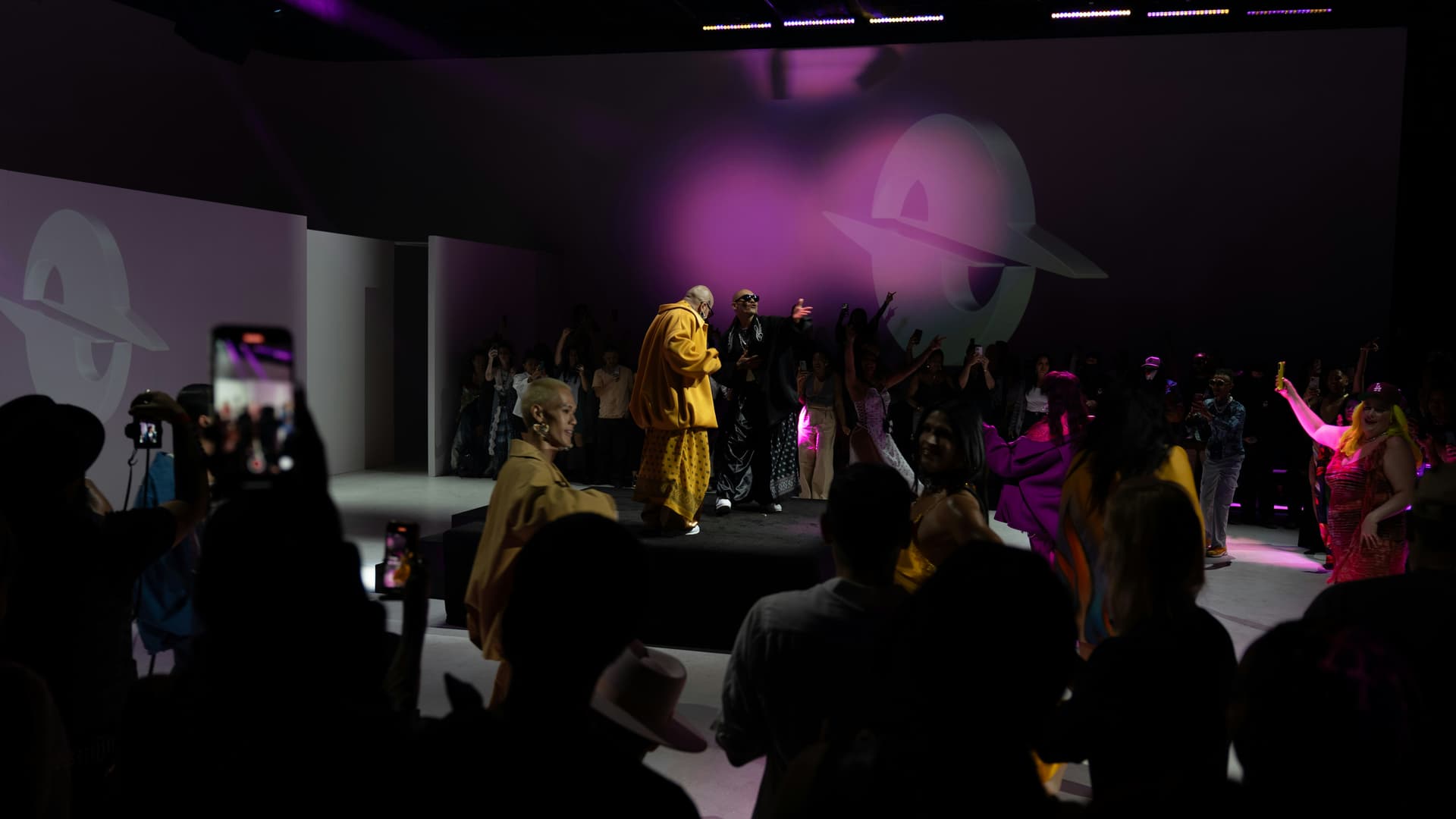
Shows need guest-registration teams, production assistants, backstage dressers, runners, photographers, social-content teams, lighting crews, technical operators, and people coordinating models, garments, schedules, and venues.
For someone interested in fashion systems, these roles offer a view that no audience ticket can provide.
You see where the process depends on spreadsheets, WhatsApp groups, printed documents, manual checklists, and one experienced person who knows how everything fits together.
You also see where technology helps—and where it creates another failure point.
Guest-management software can still collapse if names were imported incorrectly. A digital schedule is useless if teams keep receiving updates through separate chats. RFID does not solve garment tracking when nobody follows the process. A production dashboard cannot compensate for unclear ownership.
This is Fashion-Tech at its least glamorous and most honest.
Backstage work also reveals how much of the industry still operates through coordination rather than automation.
The difficult part is rarely the complete absence of software. It is the number of temporary teams, agencies, freelancers, venues, suppliers, and brand representatives who must work together for a single event and may never use the same process again.
That makes Fashion Week a difficult environment for technology. Tools must work quickly, require little training, and survive late changes.
Entry-level roles may involve long hours and repetitive work, but they provide access to the real operating environment: production agencies, PR teams, venue staff, stylists, casting teams, event vendors, and brand employees.
Production agencies, fashion schools, independent organizers, and PR firms are often more relevant than the brands themselves.
A useful application is operationally specific: availability, location, relevant experience, languages, technical skills, and the kind of responsibility you can take on.
Fashion Week does not need another person who simply loves fashion.
It needs people who can keep a fragile production moving.
6. Open castings are another way in
Fashion Week is not only something you attend from the audience.
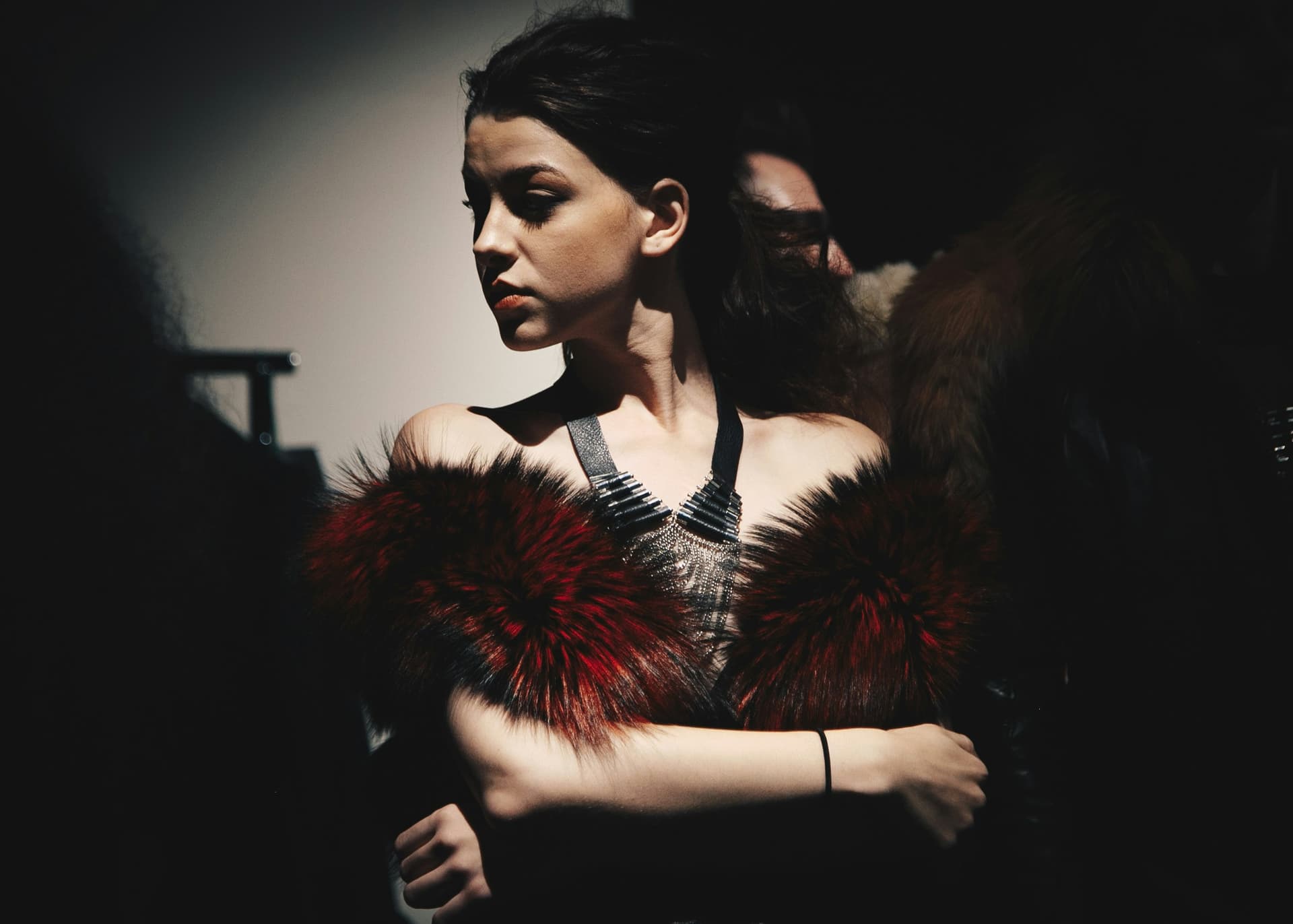
Sometimes the most direct route is onto the runway itself.
Major houses cast through established agencies and tightly controlled networks. Independent designers, fashion schools, graduate shows, and smaller production companies still use open calls to find models for specific collections.
An open casting is not a shortcut to Prada.
It is a route into the wider Fashion Week ecosystem: student shows, emerging labels, multi-designer productions, experimental presentations, and smaller runway formats that need a broader range of faces, ages, body types, and personalities.
For designers, casting is not simply about finding the “best” model.
It is about finding someone who makes the collection readable.
A technically perfect walk may matter less than a face, posture, or presence that fits the story of the clothes.
Open calls usually appear through designers, casting directors, modeling agencies, fashion schools, and independent show organizers. Applications may request simple digitals, measurements, shoe size, location, availability, and previous runway experience.
The process also reveals something important about the industry.
Fashion Week presents a polished image, but casting is where that image is still being assembled. You can see how creative direction becomes a physical selection process, how inclusive language translates—or fails to translate—into actual choices, and how much depends on timing, availability, and fit rather than abstract ideas of talent.
Even without being selected, an open casting offers a view into how collections move from concept to runway.
And if you are selected, you do not need a ticket.
7. The sidewalk is a distributed media channel
Standing outside a major show may look like spectator behavior.
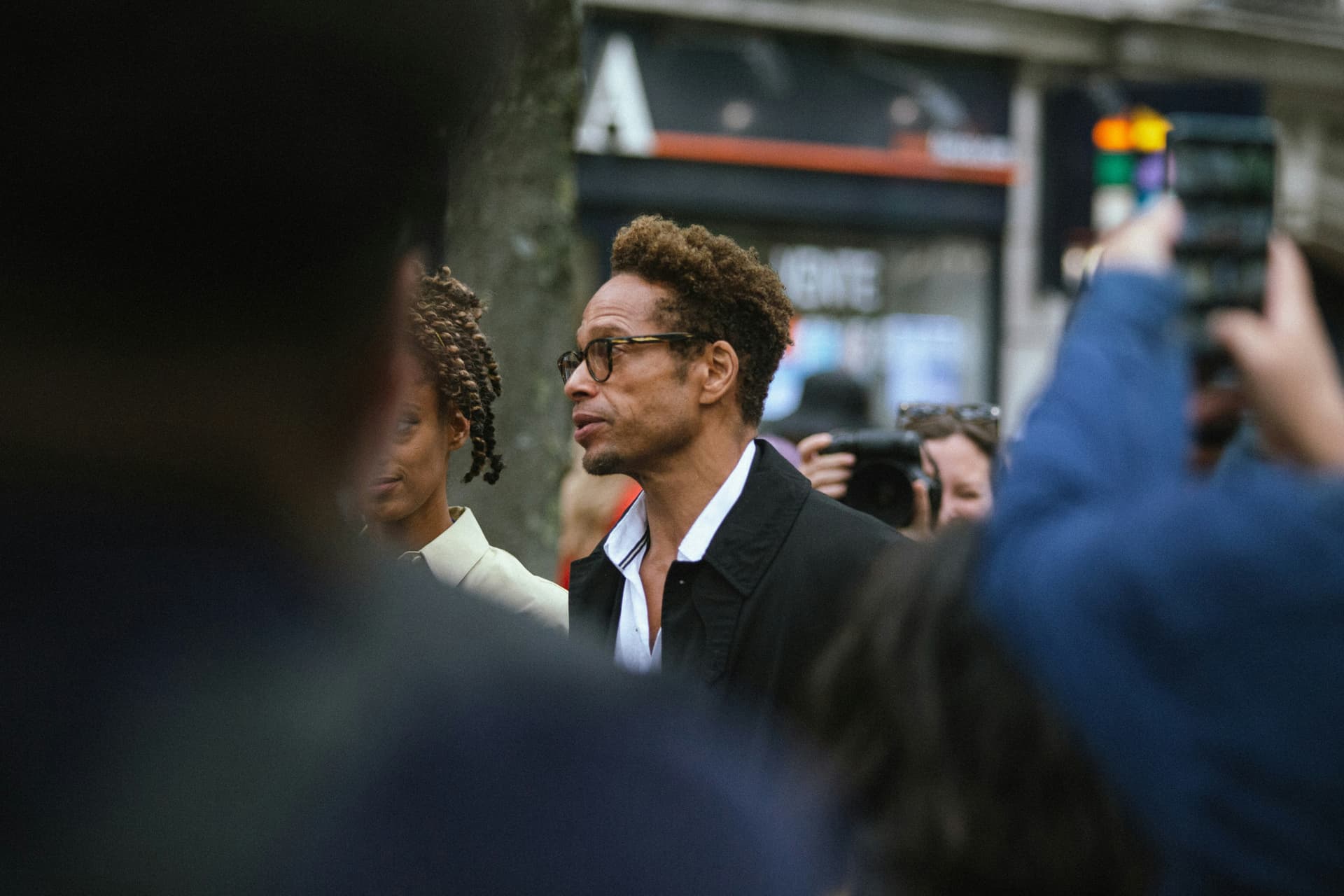
It is more useful to see it as a media system.
The area outside a luxury show is where invited guests, creators, photographers, stylists, celebrities, brand teams, and fans produce thousands of pieces of content within a few hours.
The brand controls the runway.
It does not fully control the sidewalk.
Street-style photographers decide which guests become visible. Creators film arrivals before the official show content is published. Outfits, cars, security lines, venue architecture, and crowd behavior become part of the brand narrative.
This is decentralized luxury marketing in physical form.
Observe who gets photographed and who does not. Watch how guests pause before the entrance. Notice where creators position themselves, how quickly images reach social platforms, and which details are repeated across hundreds of posts.
The sidewalk transforms private access into public spectacle.
It also allows a luxury house to benefit from an audience much larger than the room can hold. A show may seat a few hundred people, while arrival content reaches millions.
This visibility is not entirely accidental.
Guests understand that arrival has become a separate performance. Stylists prepare looks for the entrance as much as for the front row. Creators optimize their position, timing, and format. Photographers turn attendance into a secondary editorial product.
The result is a distributed content operation in which the brand provides the occasion, but thousands of external participants produce the media.
Official schedules, fashion publications, creator posts, and venue clues help identify where this activity is happening.
The objective is not celebrity spotting.
It is to observe how modern fashion visibility is manufactured, distributed, and amplified.
Choosing the right city
Each major Fashion Week provides a different entry point into the industry.
New York: independent production and commercial access
New York has the clearest market for publicly ticketed independent shows.
It is useful for studying smaller production models, multi-designer events, creator-led promotion, guest management, and commercially accessible runway formats.
It is also one of the easier cities for finding temporary production work and independent event roles.
New York shows how Fashion Week can be packaged beyond the traditional invitation model. The result is more accessible, but also more commercial: tickets, sponsorship packages, VIP upgrades, creator access, and multi-brand schedules become part of the product.
Choose New York if you want reliable access to actual shows and want to study how smaller fashion events operate as businesses.
London: emerging talent and Fashion-Tech
London is the strongest option for fashion schools, graduate shows, experimental designers, public conversations, and technology-oriented programs.
The city creates a useful overlap between education, design, culture, research, and startups. It is often easier to meet people working on new materials, digital fashion, AI, circular systems, and alternative retail models.
The advantage is not only the number of innovation events. It is the proximity between people who design, research, build, and test.
A graduate show may sit close to a materials exhibition, a startup panel, and an experimental retail project. The boundaries between fashion, education, culture, and technology are less rigid.
Choose London if your priority is innovation, professional networking, and emerging ideas rather than luxury access.
Milan: luxury retail as a system
Milan is less accessible at the runway level, but extremely valuable for studying branded retail.
Flagship stores, temporary experiences, product launches, hospitality, and luxury districts turn the city into a live demonstration of how physical space supports brand identity.
This is where to observe the connection between architecture, clienteling, service, personalization, product storytelling, and retail technology.
The most useful questions are often not about individual tools, but about orchestration.
How does the store recognize a client? How does staff access product information? Where does personalization enter the journey? How are physical interactions connected to later communication and commerce?
Choose Milan if you are interested in how luxury brands convert identity into an operating customer experience.
Paris: media power and industry concentration
Paris has the highest barrier to entry, but also the greatest concentration of global fashion attention.
The official shows remain highly exclusive. The surrounding system—showrooms, presentations, media activity, street style, temporary retail, and industry gatherings—is enormous.
Paris is especially valuable for observing how prestige is created, controlled, and redistributed through media.
Access remains scarce, but visibility is everywhere. The contrast is part of the system: a few hundred people enter the room, while the rest of the city participates through images, commentary, products, activations, and proximity.
Choose Paris if you want to study the industry’s center of gravity without expecting access to its most protected rooms.
Quick comparison
| City | Best known for | Barrier to entry | Best for |
|---|---|---|---|
| New York | Independent runway production | 🟢 Low | Ticketed shows, event operations, and commercial formats |
| London | Emerging designers and Fashion-Tech | 🟢 Low | Innovation, networking, public programs, and new talent |
| Milan | Luxury retail and brand environments | 🟡 Medium | Client experience, activations, flagship stores, and pop-ups |
| Paris | Global houses and media concentration | 🔴 High | Prestige systems, content production, and industry visibility |
Build a working schedule, not a fantasy itinerary
Fashion Week schedules remain fluid until the last moment.
Venues change. Events move. Invitations appear late. Public programs may be announced after the official calendar is already full.
A useful schedule therefore needs an anchor: a ticketed independent show, a confirmed presentation, a public panel, an exhibition, a pop-up registration, a casting, or a production shift.
Build the rest of the day around that anchor and keep nearby alternatives.
The point is not to maximize the number of events. It is to avoid designing a schedule around access you do not actually have.
Start following organizers, venues, brands, production agencies, fashion schools, and Fashion-Tech communities several weeks before the event. The search becomes more useful as Fashion Week approaches because smaller events, staffing needs, open castings, and temporary activations are often announced late.
The final schedule is rarely the one you imagined a month earlier.
That is not a planning failure. It is how the event operates.
Search index
Use these as practical starting points rather than as a complete directory.
Independent shows
independent runway show tickets public Fashion Week shows NYFW tickets
Designer presentations
designer presentation registration Fashion Week showroom events graduate collection preview
Fashion-Tech events
Fashion Tech panel NYFW AI fashion show presentation digital fashion week event fashion technology conference
Pop-ups and activations
AI fashion activation virtual try-on pop-up Fashion-Tech pop-up retail technology launch
Backstage and production work
Fashion Week production assistant backstage assistant fashion show Fashion Week event runner guest registration staff fashion show
Open model castings
Fashion Week open casting runway model open call student fashion show casting independent designer model casting
Major-show media zones
Paris Fashion Week venue today NYFW show location Fashion Week arrivals today Fashion Week street style location
The risks worth taking seriously
The obvious behavioral rules do not need explanation. The structural risks do.
Fashion Week produces a secondary market for questionable access: resold invitations, invented accreditations, paid “volunteer” positions, guaranteed backstage passes, and casting offers that lead nowhere.
Professional access should have a traceable organizer, a real venue, clear responsibilities, and communication through a credible company, agency, school, or production team.
The same skepticism should apply to Fashion-Tech claims.
A branded activation does not prove that a product is deployed at scale. A panel does not prove that the speaker’s company has moved beyond a pilot. A crowded pop-up does not prove that the technology improved conversion.
Fashion Week is optimized for visibility.
The useful work is separating visibility from evidence.
Fashion Week is open—for professionals
The most prestigious rooms remain protected.
That exclusivity is still part of the product.
But Fashion Week is no longer defined only by the front row. Its wider infrastructure—independent shows, presentations, public programs, retail experiments, production work, open castings, media zones, and professional communities—is increasingly accessible.
For the general public, Fashion Week is easier to experience than it once was.
For professionals, however, it is genuinely open.
Designers, engineers, founders, creators, students, retailers, producers, and industry operators no longer need access to the most famous show to become part of the week. They can enter through the work itself: a presentation, a panel, a production role, a retail experiment, a casting, or the media ecosystem surrounding a major venue.
The front row remains exclusive.
The professional infrastructure around it does not.
Anyone can experience Fashion Week now.
But Fashion Week is truly open for professionals.